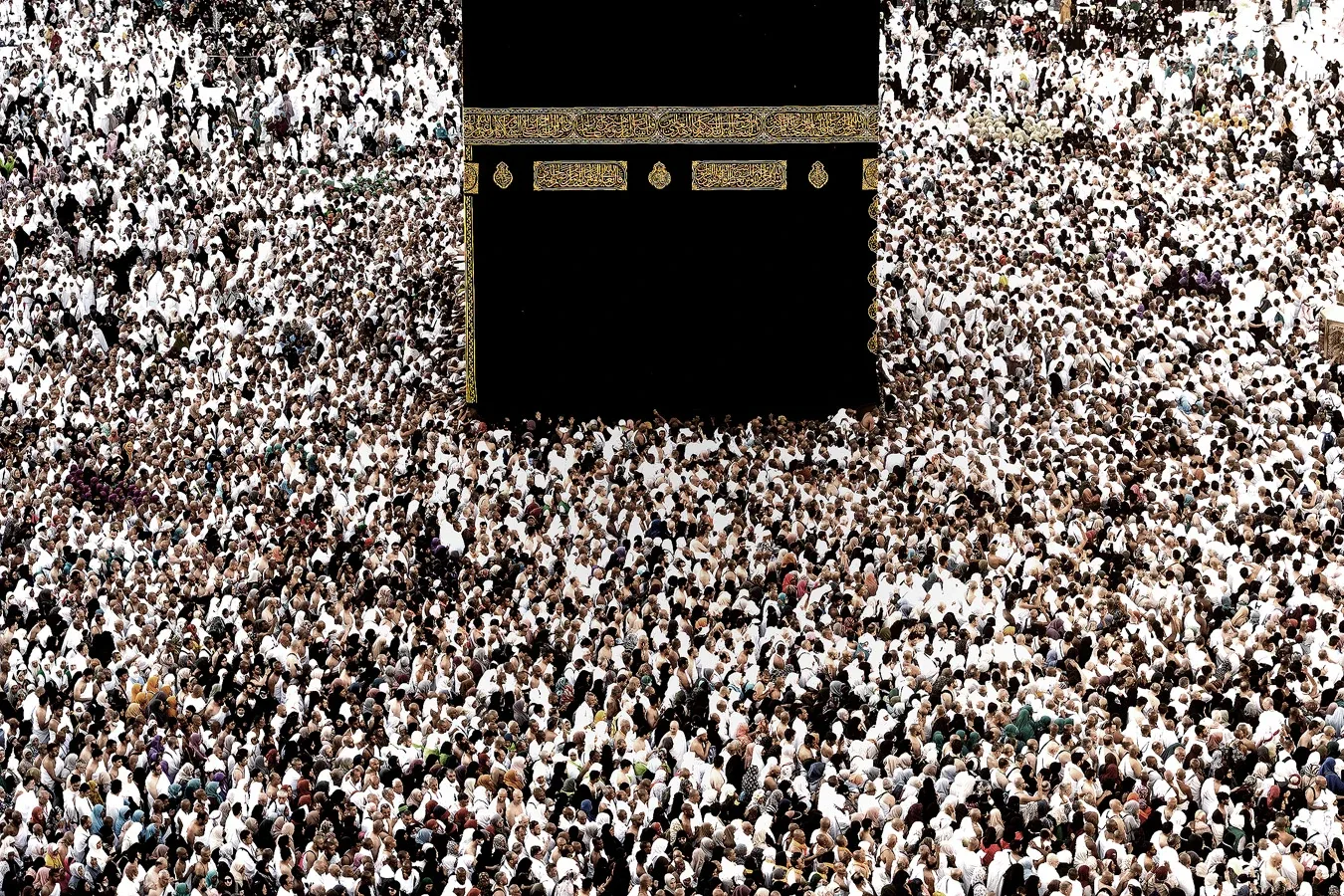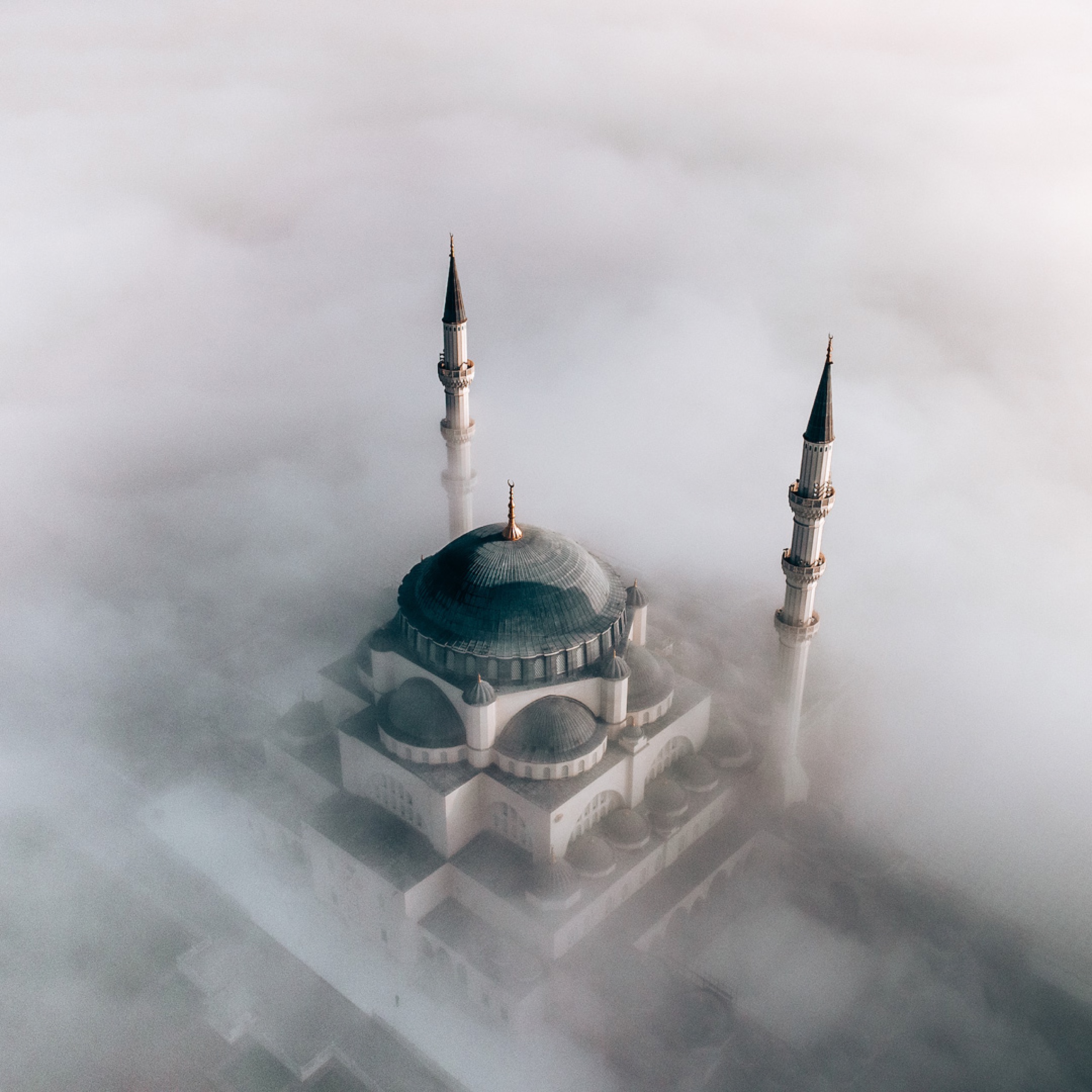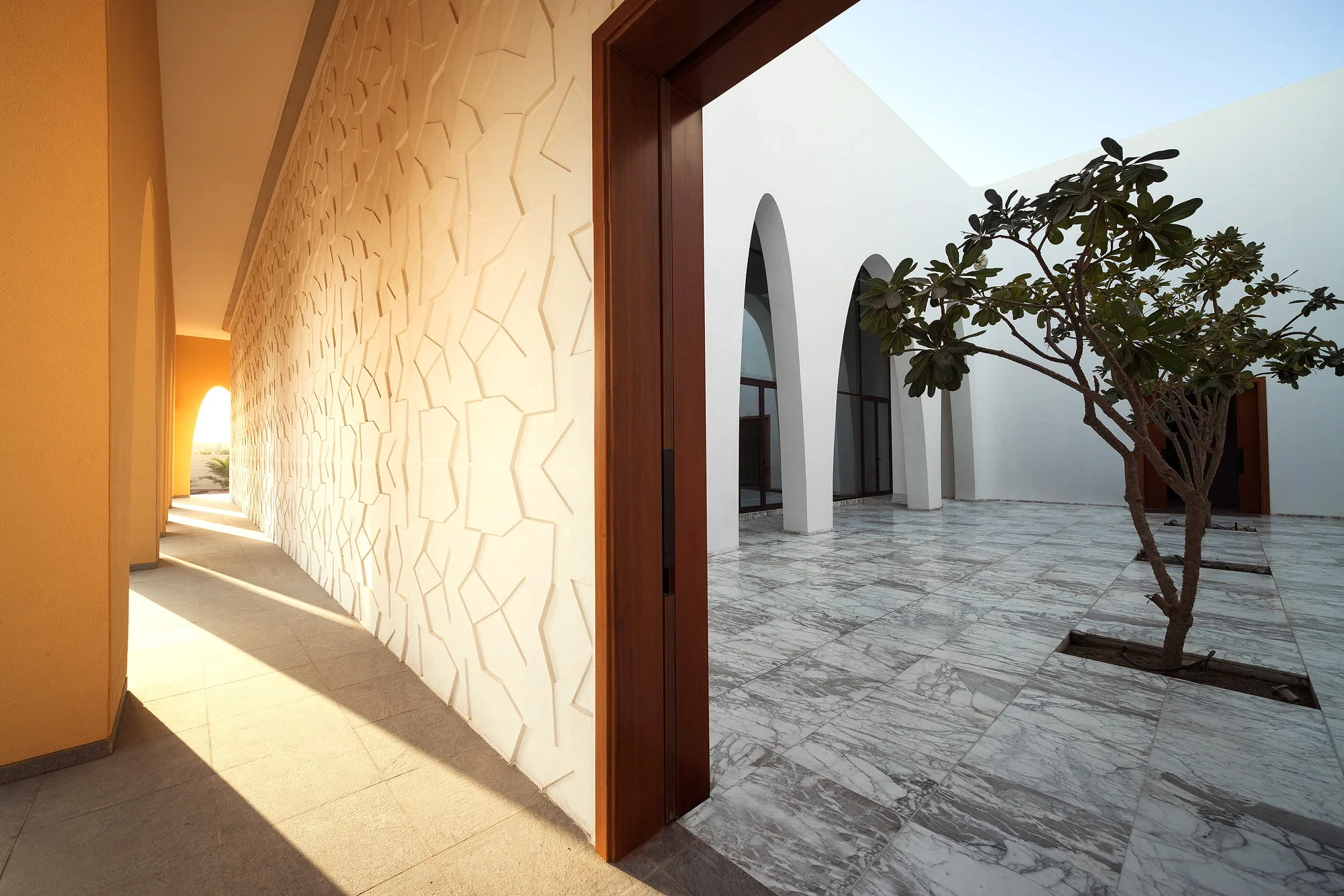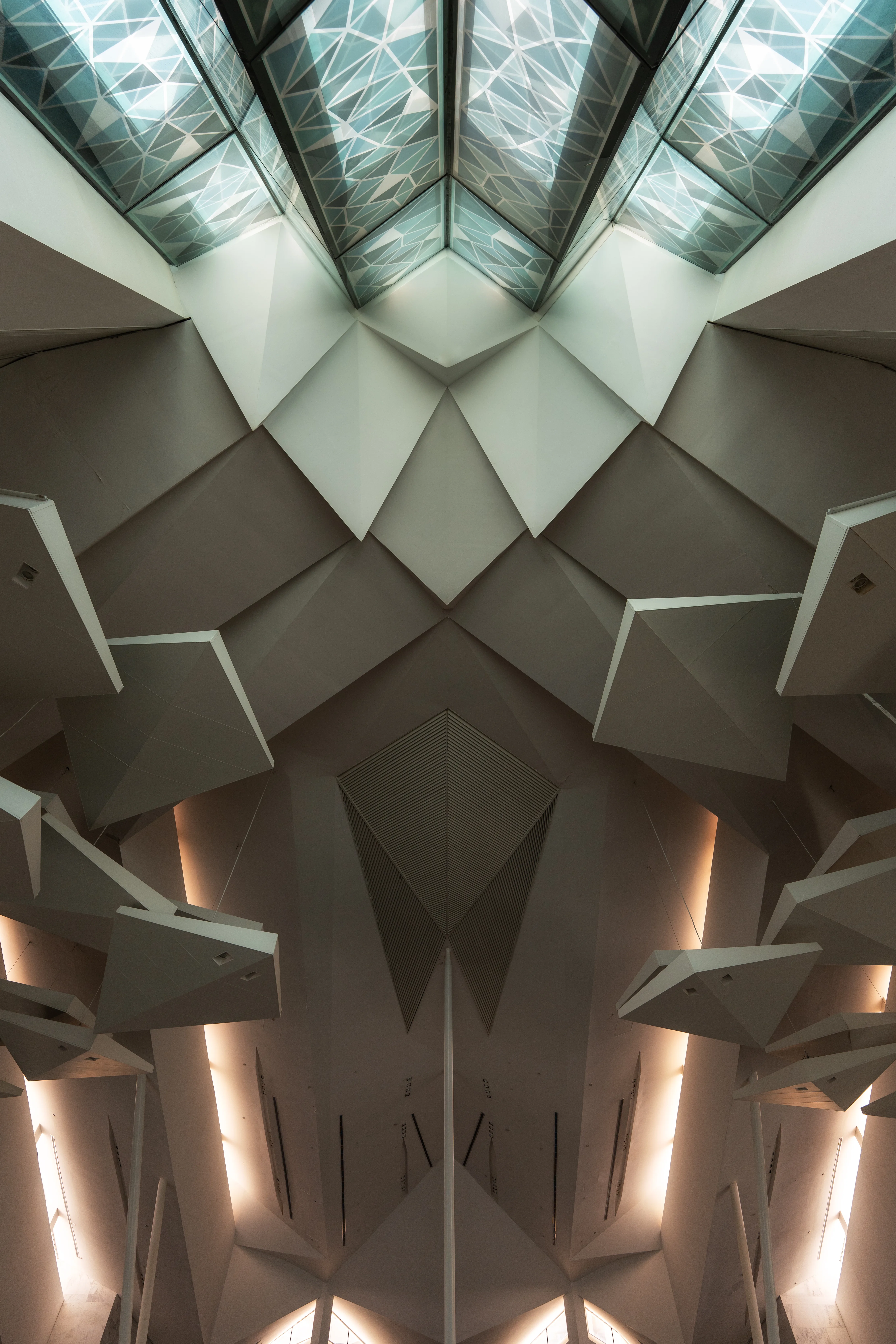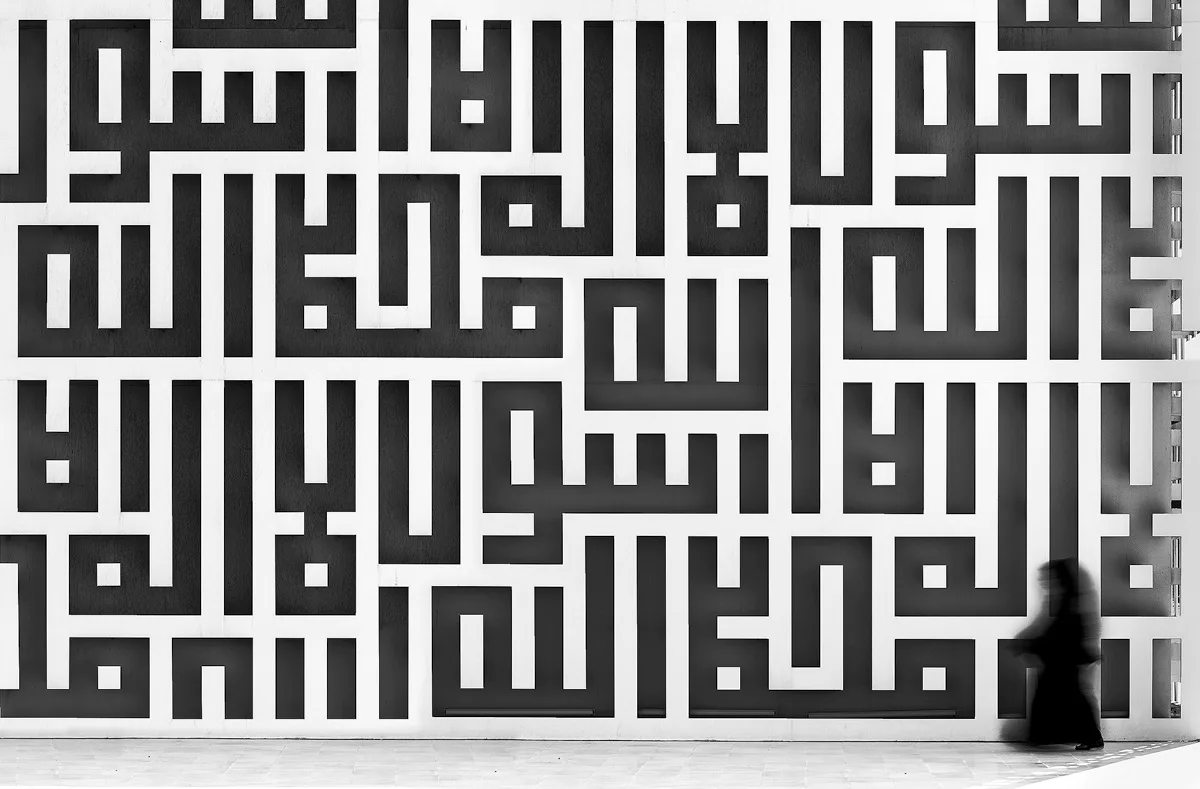
Photography of mosques and religious architecture across the UAE and KSA. The most significant commission of this practice is the Kaaba and Masjid al-Haram in Mecca, and the same discipline of access, permission and sensitivity applies to every mosque covered since.
Design firms and heritage authorities documenting a completed mosque or religious building. Government and cultural bodies commissioning work in a location where access is restricted rather than assumed.
This is not a generic architecture booking. Every one of these commissions has come with its own permission process, and being able to run that process directly, rather than through a fixer, is the actual service being offered.
Worship comes first. Coverage is scheduled and positioned so it never intrudes on it, which is both the correct approach and the practical one, since it is what gets access granted again.
Light matters more here than on most buildings. A mosque interior can run from hard daylight through a screen to near darkness under a dome in the same frame, and the capture has to hold both.
Access Is the First Question
Most religious buildings are not open to casual photography, and several of the ones covered here, most of all Mecca, are closed to the vast majority of photographers regardless of skill. Every commission on this page began with a permission process specific to that building: a government permit, a heritage authority, or a private client acting as the point of contact.
That is the actual differentiator. A photographer without a way to secure that access cannot take the commission at all, technique aside.
Named Work
The Kaaba and Masjid al-Haram, Mecca, documented empty during a rare government-permitted window, later shown in a solo exhibition. The mosque at the heart of King Abdullah Financial District, Riyadh, designed by Omrania. Sharjah Mosque, photographed from the air in fog. Amina Mosque in Ajman. Al Warqa'a Mosque in Dubai, designed by waiwai. The mosque at the Dubai International Financial Centre. A light study inside the Sheikh Zayed Grand Mosque, Abu Dhabi, made during a retail commission for Nahdi.
Each of these is a different building, a different authority, and a different set of restrictions, which is the point: there is no single formula for religious architecture, only the discipline of arranging access properly every time.
Method
Medium format capture for the tonal range a mosque interior demands, and fine art realistic retouching throughout. Aerial coverage, where permitted, is arranged separately and never assumed, since airspace over religious sites is frequently the most restricted airspace in a city.
Commissions are covered directly from the Dubai and Riyadh bases as regular work, with the access arrangement itself built into the schedule rather than treated as a formality.