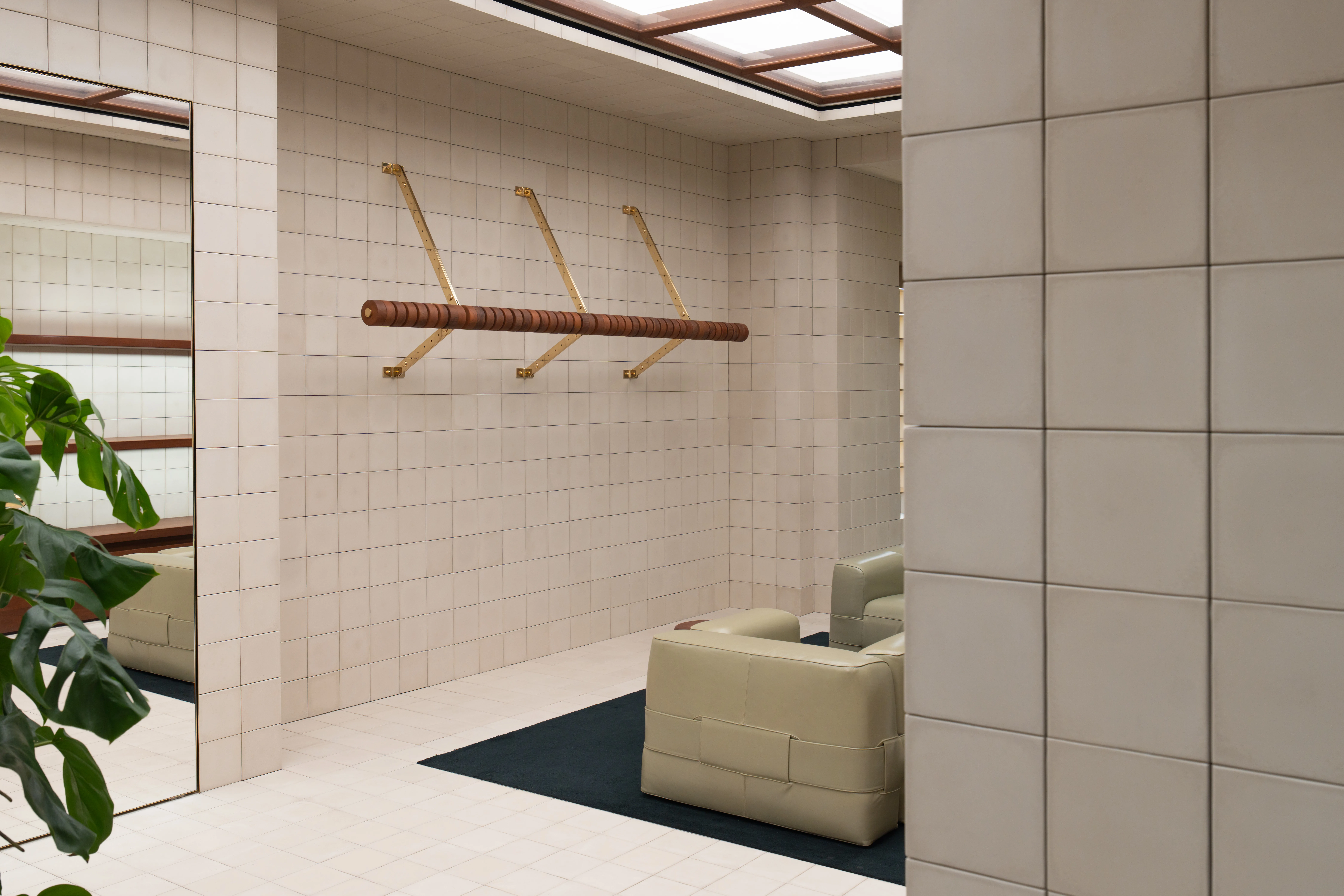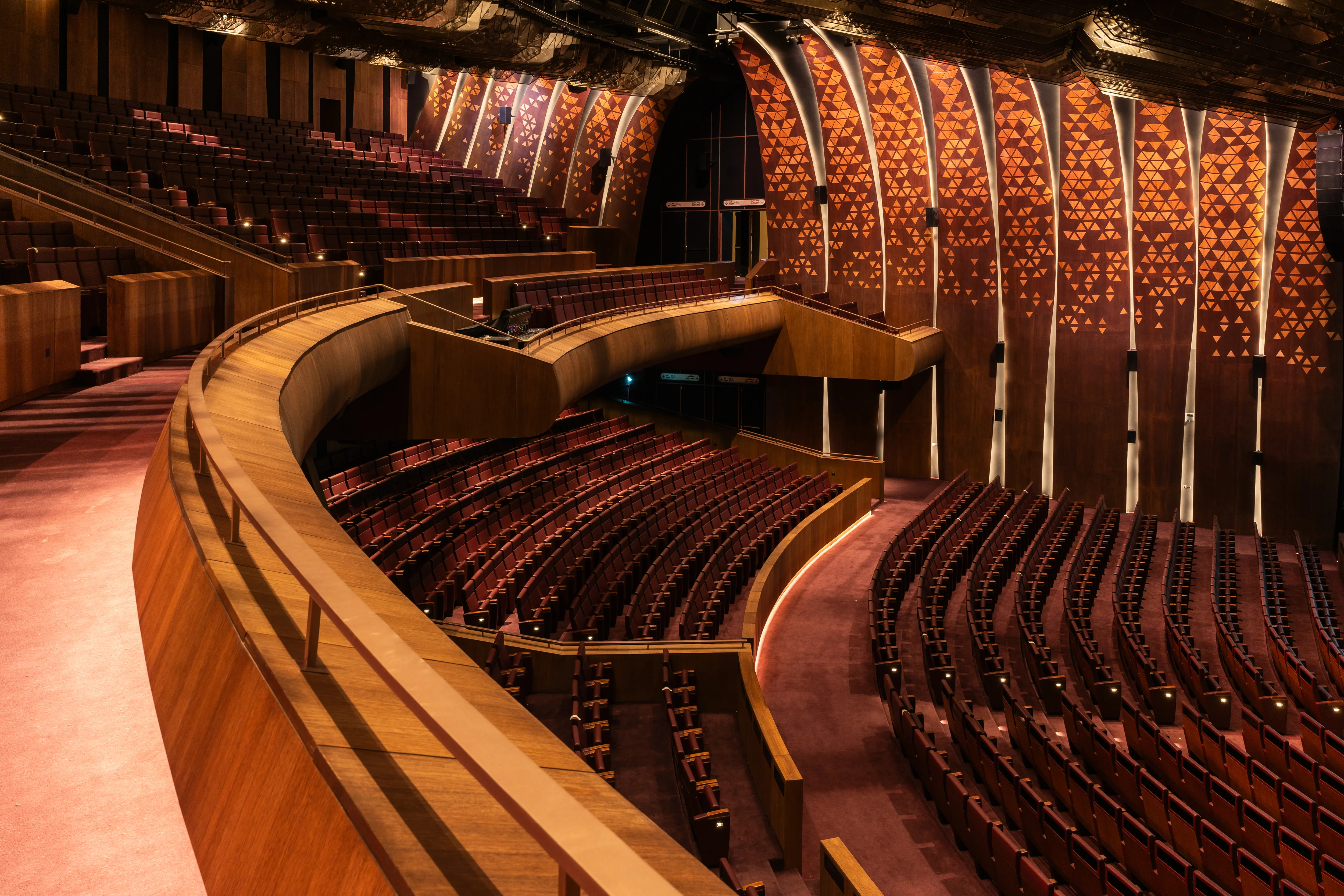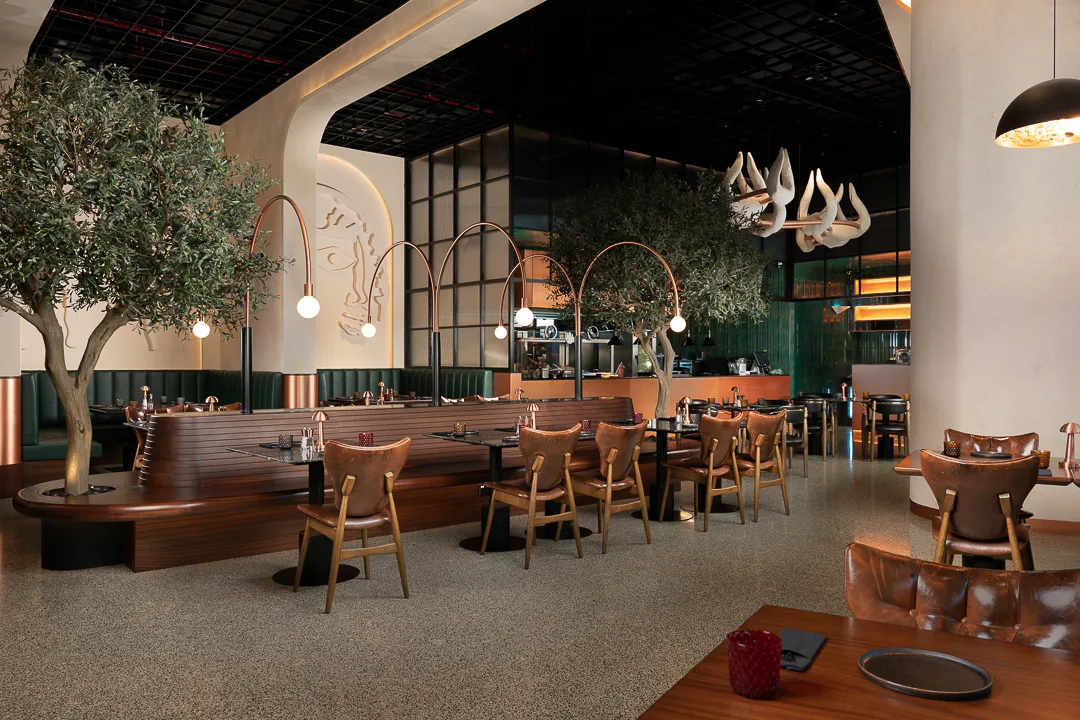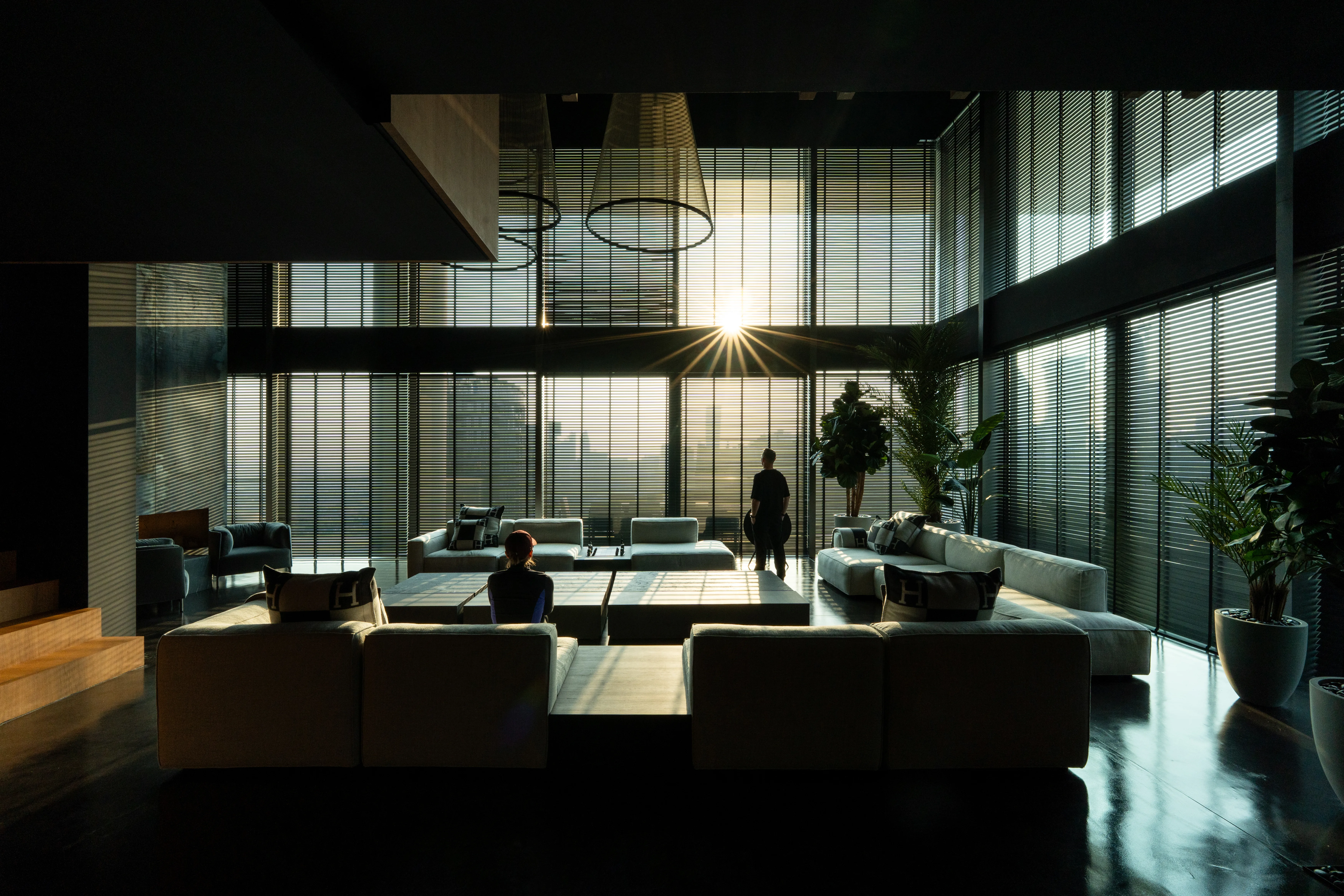
Interior photography for designers, developers, and hospitality brands. Spaces documented as they were designed to feel, not emptied for the camera, not over-lit, not flattened. Each image is built around light, material, and the emotional quality of the space.
Interior designers and design studios seeking photography that reflects their design language. Hospitality brands, hotels, restaurants, private members clubs, that need images communicating quality and atmosphere. Developers marketing high-end residential or commercial units where the interior specification is a primary selling point.
Past clients include Dorchester Collection, Oberoi Hotels, Park Hyatt, and leading independent design studios across the UAE and internationally.
The starting principle for every interior commission is the same: preserve what the designer intended. That means visiting the space before the shoot, understanding the light at different times of day, and building a schedule around the moments when the space is at its best, not fighting the light with equipment.
Natural light is the primary tool. Small, controlled artificial sources are used only to supplement, never to replace. The goal is images that feel like the space rather than images of the space. That distinction is what separates architectural photography from property documentation.
What Is Interior Photography?
Interior photography is the work of capturing a designed space as it is meant to feel, not simply how it looks once the camera is set up. It is about light, material, and the atmosphere a designer has worked to create, held in an image that reads the same way the room does when you stand in it. For interior designers, hospitality brands, and developers, that image is how the work travels: into magazines, onto awards juries, and through the marketing that wins the next project.
The line that matters is between documenting a space and interpreting one. Property documentation flattens a room into information. Interior photography preserves its intent, the reason the materials, proportions, and light were chosen in the first place. For projects that need motion as well as stills, interior videography and film are part of the same practice. The approach to lighting a room without flattening it is covered in more depth in how to light an interior without killing it.
Who Needs an Interior Photographer?
Interior designers and studios who need an interior design photographer whose work speaks their design language and holds up in their portfolio. Hospitality brands, hotels, restaurants, private members clubs, that sell on atmosphere and have to show it. Developers marketing high-end residential and commercial units where the interior specification is the selling point. Past clients include Dorchester Collection, Oberoi Hotels, and Park Hyatt.
Leading Interior Photographer in Dubai, Riyadh, and the Middle East
Interior commissions span landmark hospitality and residential work across the UAE and KSA: Noir Matière at Lana Residences for the Dorchester Collection in Dubai, Muraba Residence on Palm Jumeirah, and Diwani House in Sharjah, alongside spaces for Park Hyatt, Oberoi Hotels, and leading independent design studios. The work runs from luxury penthouses to F&B, retail, and commercial interiors, and has been published in international design media and carried more than 60 international awards.
Types of Interior Photography
Residential & Villas
Private homes, penthouses, and show apartments, photographed to feel lived-in and considered rather than staged and empty.
Hospitality & Hotels
Rooms, suites, lobbies, and amenities captured for brands that compete on atmosphere, in coordination with operations.
Restaurants & F&B
Dining rooms and interiors shot at the light and mood the concept was built around.
Retail & Commercial
Showrooms, offices, and retail interiors documented for design studios and the brands behind them.
Interior Design Photography
Work made specifically for interior designers: material fidelity, true colour, and the detail that distinguishes the studio's hand.
Detail & Styling
The close work: finishes, joinery, and decor moments that carry the craft of the project.
How an Interior Shoot Works
The starting principle never changes: preserve what the designer intended. Every commission begins with a walkthrough before the shoot, mapping the light in each room through the day, so the schedule is built around the moments when each space is at its best rather than fighting the light with equipment.
Natural light leads, with small controlled sources used only to supplement, never to replace. Capture is medium format for full material and tonal fidelity, and retouching is fine art realistic: clean windows, balanced exposures, and colour-accurate materials throughout. The aim, always, is an image that feels like the space rather than a picture of it.
Interior Photography by City
Interior commissions run across the UAE, Saudi Arabia, and the wider Gulf, from working bases in Dubai and Riyadh. Explore interior photography by location: Dubai, Riyadh, Abu Dhabi, Doha, Jeddah, Sharjah, Muscat, Dammam, AlUla.