Interior photography in Dubai for design studios, developers and hospitality brands, by a photographer based in Dubai and Riyadh. Work in the city includes Noir Matière at Lana Residences for BOOBROOK, awarded Best Photography Project of the Year at the Créateurs Design Awards, Muraba Residence on the Palm Jumeirah, and Rove Hotels across Downtown, Expo, CityWalk and Healthcare City.
Noir Matière: Darkness as a Material
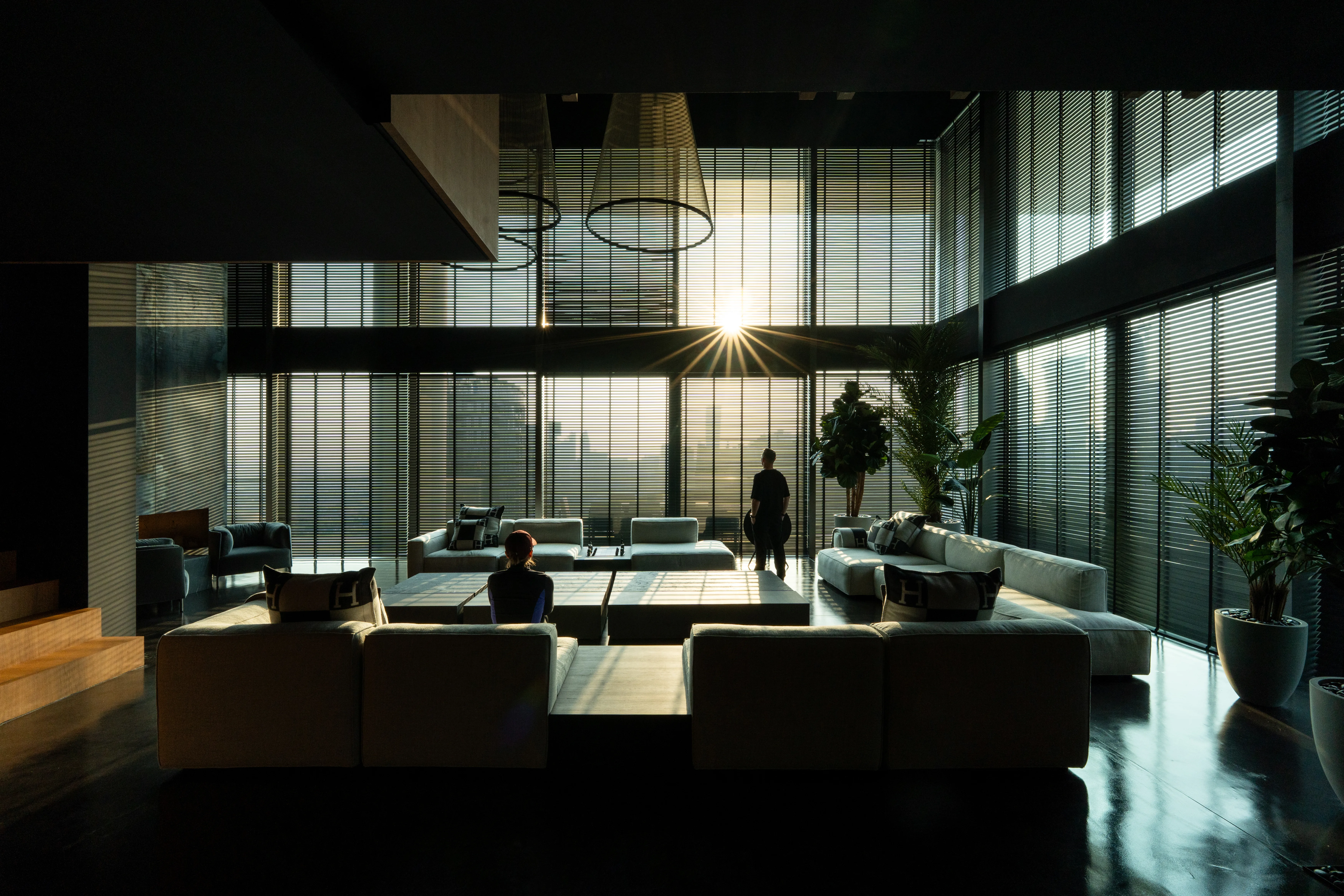
BOOBROOK designed Noir Matière, a penthouse at Lana Residences, Dorchester Collection, as a brutalist sanctuary above Dubai: blackened oak, oxidised steel, polished concrete and deep toned stone. The photography had to hold that darkness without flattening it, and it was made entirely in natural light.
Every frame was planned around the moments in the day when light entered far enough to reveal texture, and sunset was the decisive hour, when the mineral surfaces took on a depth no artificial setup could produce. The work was awarded Best Photography Project of the Year at the Créateurs Design Awards, at the ceremony at Shangri-La Paris, with both designers there to see it.
The project has since been published by more than fifteen outlets across Europe, Asia and the Americas, among them Villegiardini, e-architect, Architonic and Maisons à Vivre.
Residences and Villas
Muraba Residence on the Palm Jumeirah was photographed in 2021, its rooms opening across the water towards the Burj Al Arab. On a residence like this the view is part of the interior, so the rooms are photographed at the hour the interior and the view can be balanced.
The House of Courtyards by Studio VDGA, known as Orangebox, is the opposite brief: a 4,000 square metre house that brings Emirati desert architecture and Indian Vastu principles together, with hand chiselled Rajasthani sandstone, perforated Corten steel screens, wind towers and a sacred Nandi courtyard. It was photographed in 2024, after the architectural film made there, which was selected for ArqFilmFest in Chile and, in 2025, the Psarokokalo International Short Film Festival.
What Interior Photography in Dubai Involves
Dubai interiors are specified to a level that punishes careless photography. The city's hospitality and residential work runs on stone, brass, timber, lacquer, and textile, frequently in the same room, and each of those materials reflects light differently. An image that resolves all of them correctly is the difference between a portfolio piece and a listing photo.
The recurring failure here is over lighting. Flooding a Dubai interior with artificial light produces an even, bright, entirely characterless frame that erases the exact thing the designer spent the budget on: the way light falls through the space at a particular hour. Natural light leads on every commission, with small controlled sources used only to supplement.
Who Commissions Interior Photography in Dubai
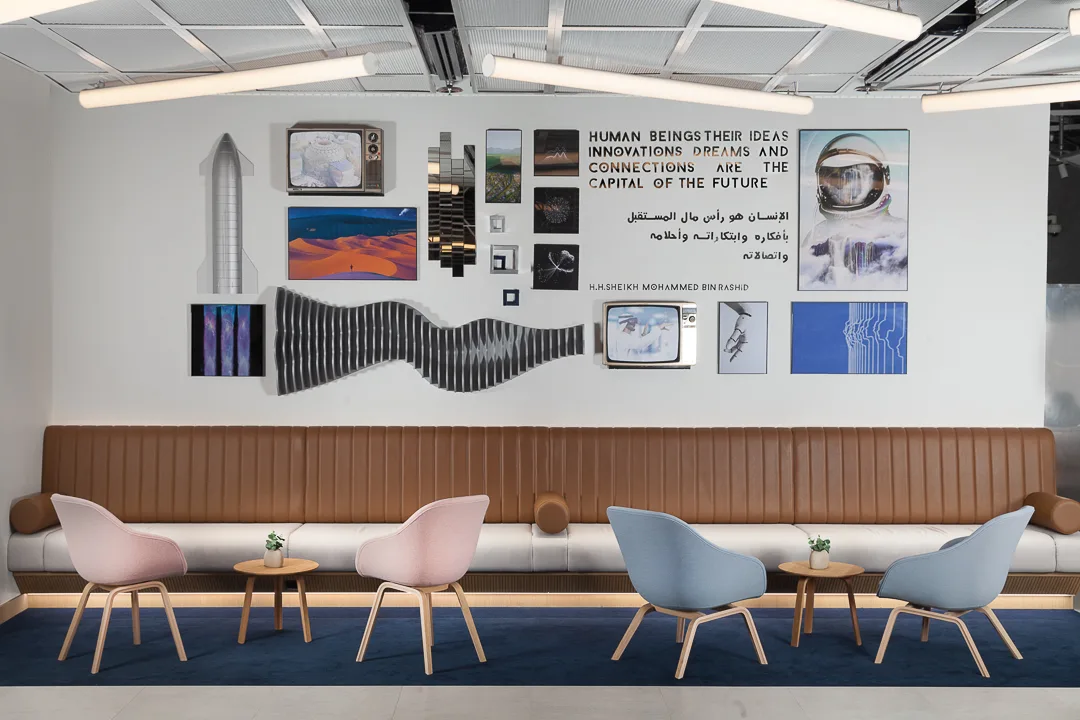
Interior designers and design studios who need images that speak their design language and survive an awards submission. Hospitality brands competing on atmosphere, where the photograph is the product before the guest arrives. Developers marketing high-end residential where the interior specification is the reason for the price.
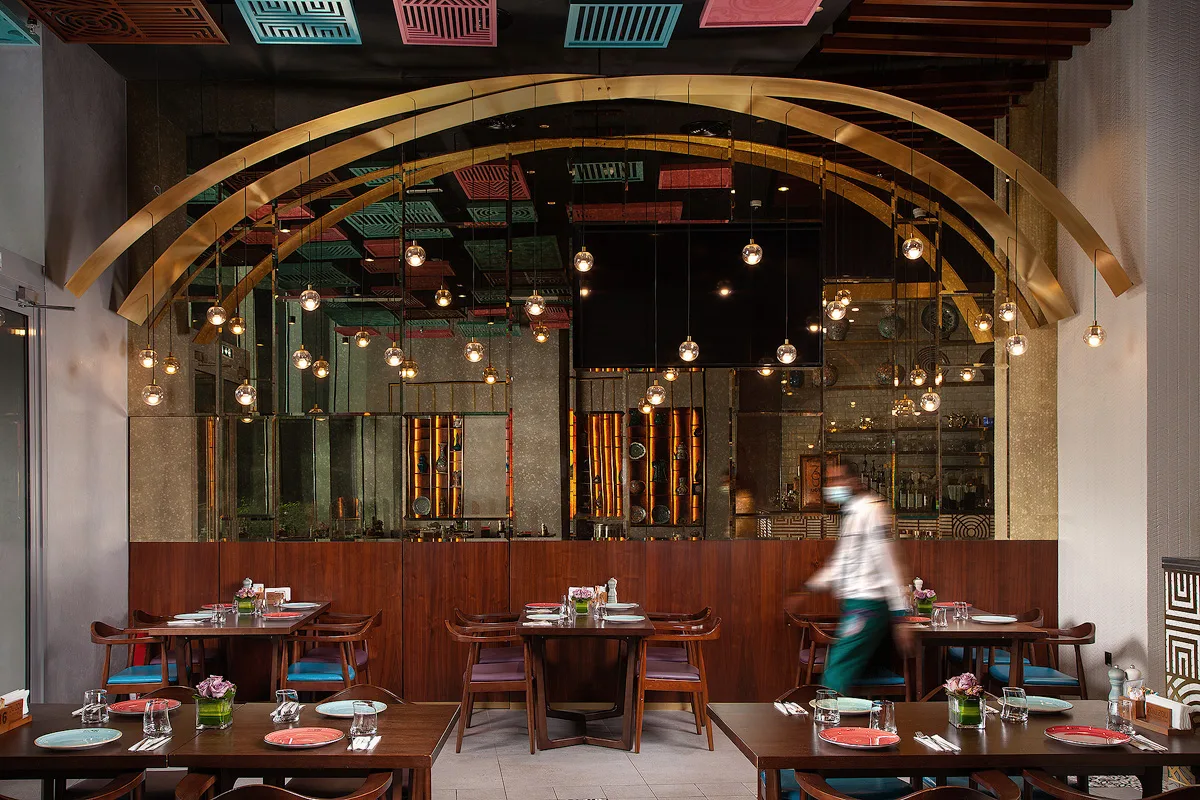
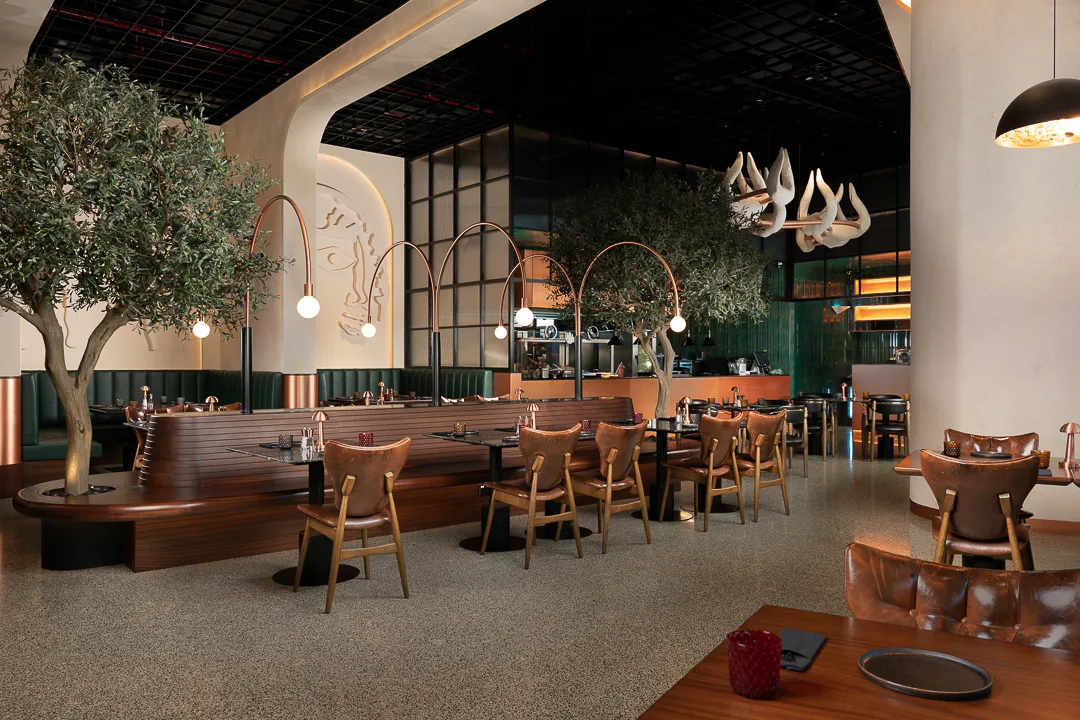
Food and beverage interiors run on mood more than any other type, and ZouZou and Steak 71 were photographed for exactly that: each room at the light level its concept was designed around, not a bright record of the furniture.
Hotel interiors are the other large share. Rove Hotels was photographed across Downtown, Expo, CityWalk and Healthcare City from 2021, with CityWalk shot before it opened, which made those images the hotel's first public impression. The hotel photography page covers that work.
How a Dubai Interior Shoot Is Run
Every commission starts with a walkthrough before the shoot day. The light in each room is mapped through the day, and the schedule is built around the hour when each space actually reads rather than the hour that is convenient to book. In practice that frequently means the best rooms are shot hours apart.
Capture is medium format for full material and tonal fidelity. Retouching is fine art realistic: clean windows, balanced exposure, colour accurate materials, nothing added that was not in the room.
For occupied hospitality interiors, access windows are agreed with operations in advance so the shoot runs around guests rather than through them. That coordination is part of the commission, not an extra.