Hospitality photography in Dubai for hotels, resorts and branded residences, by a photographer based in Dubai and Riyadh. Work in the city includes the Rove Hotels programme from 2021 and Noir Matière at Lana Residences, Dorchester Collection, with Park Hyatt among the clients. The interiors and the building itself are planned into the same project.
The Rove Hotels Programme
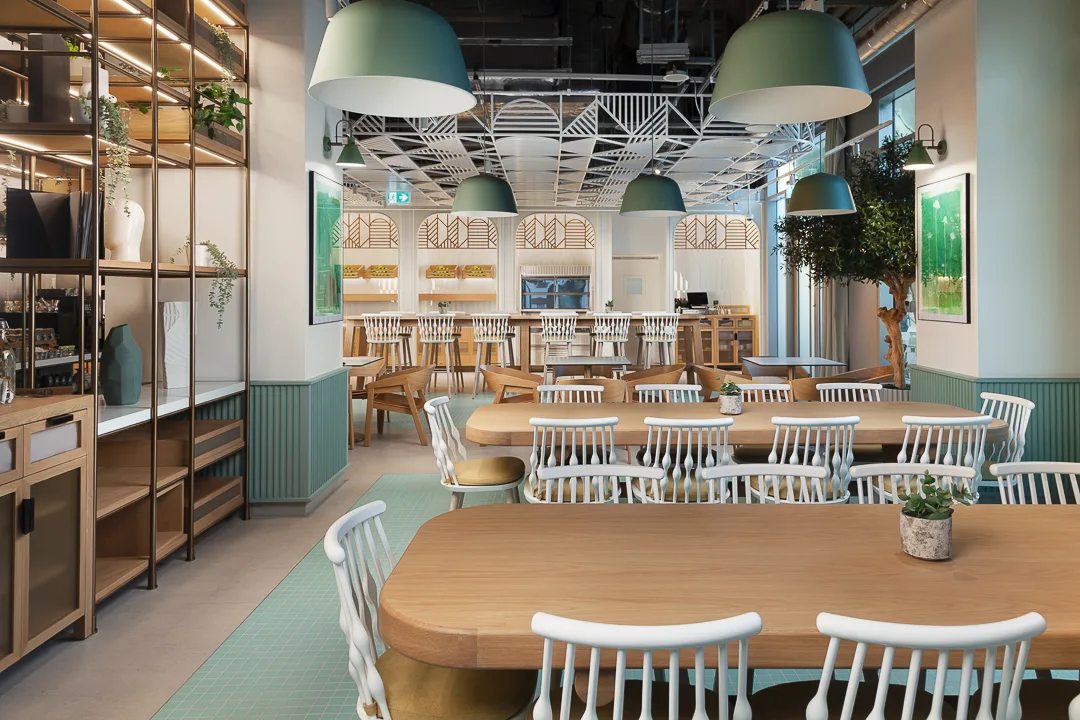
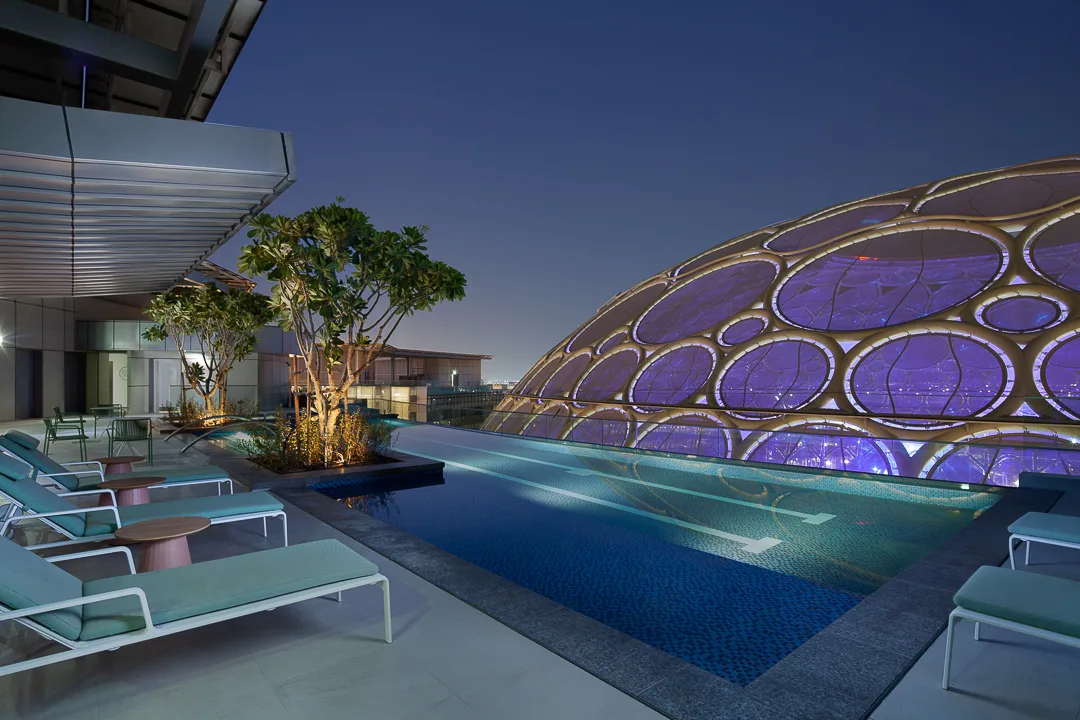
Rove Hotels is the largest body of hotel work in Dubai here. It began with a single day at Rove Downtown in July 2021 and grew into a relationship across the brand: Rove Expo and Rove CityWalk in the same week, Rove Healthcare City, and in 2023 the meeting rooms at Healthcare City, Trade Centre, Dubai Marina and City Centre.
Rove CityWalk was photographed before it opened, so those images were the hotel's first public impression, made before anyone had stayed a night. Rove Expo was returned to several times through 2021 and 2022 around the opening of the hotel beside Expo 2020 Dubai, and the photographs run on Rove's own website.
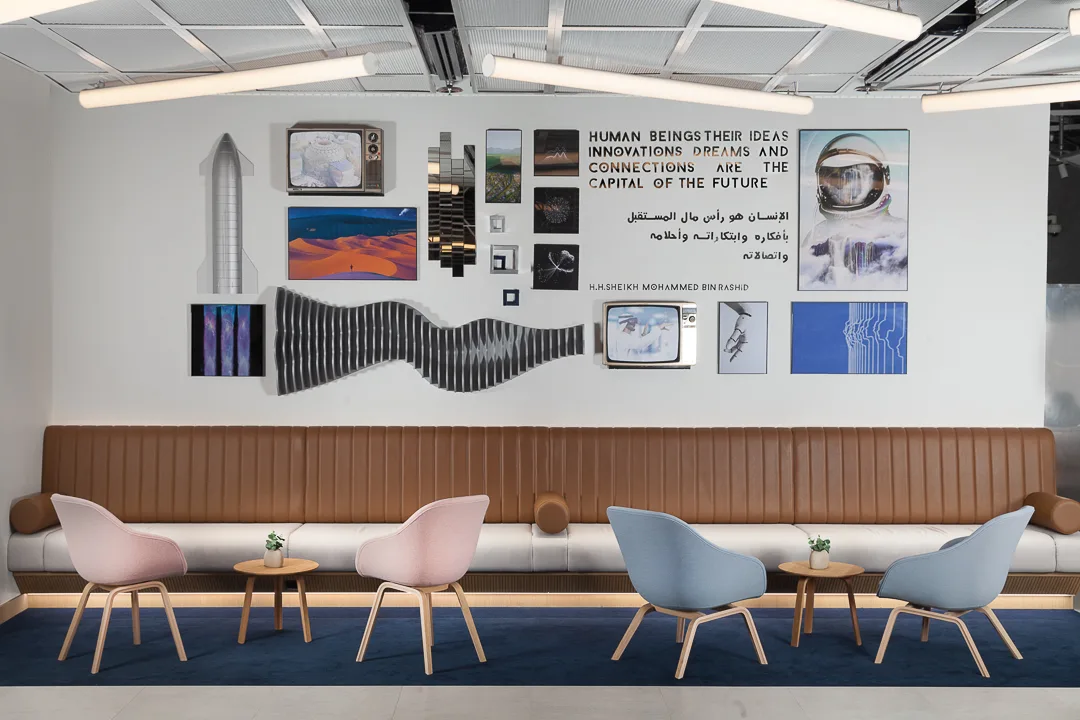
Across the properties the brief was mostly rooms and facilities: guest rooms, lobbies, social lounges and the rooftop, each photographed so that a set from one Rove reads alongside the next.
Hospitality Photography Is a Different Brief
A hotel photograph has a harder job than an interior photograph. It has to survive being shrunk to a thumbnail on a booking platform, blown up across a brand campaign, and scrutinised by an operator who knows exactly what the room is supposed to feel like. It also has to be honest, because the guest arrives and compares.
Dubai's hospitality market is unusually competitive and unusually well specified. A Rove hotel and a branded residence are not selling the same thing, and photography that applies one visual approach to both misses the point. The commission starts by understanding what the property is actually selling.
Atmosphere is the product. That is why over lighting is fatal in hospitality work: a bright, evenly lit room photographs as a room, not as an experience. The mood the operator has built is exactly what the camera has to preserve.
Photographing a Hotel Before It Opens
Work before opening is where hotel photography carries the most weight. With no guest photographs and no existing library, the first set is what the booking platforms, the launch campaign and the press all use.
It is also the easiest moment for several parties to license the same images. The developer, the architect, the interior designer and the restaurant operators all need pictures of the space and nobody has usable ones yet, which is handled at licensing rather than by reshooting.
Shooting Occupied Properties
Most Dubai hospitality commissions happen in operating hotels, which makes the shoot a coordination exercise as much as a photographic one. Access windows for rooms, restaurants, and public areas are agreed with operations in advance, and the schedule is built around the property's actual rhythm rather than against it.
Suites and signature rooms are frequently the hardest to schedule and the most important to get right, because they are the images that do the selling. Those are planned first and the rest of the day is built around them.
Coordination with operations is part of the commission rather than an additional line. A shoot that disrupts a property does not get invited back.
Clients and Method
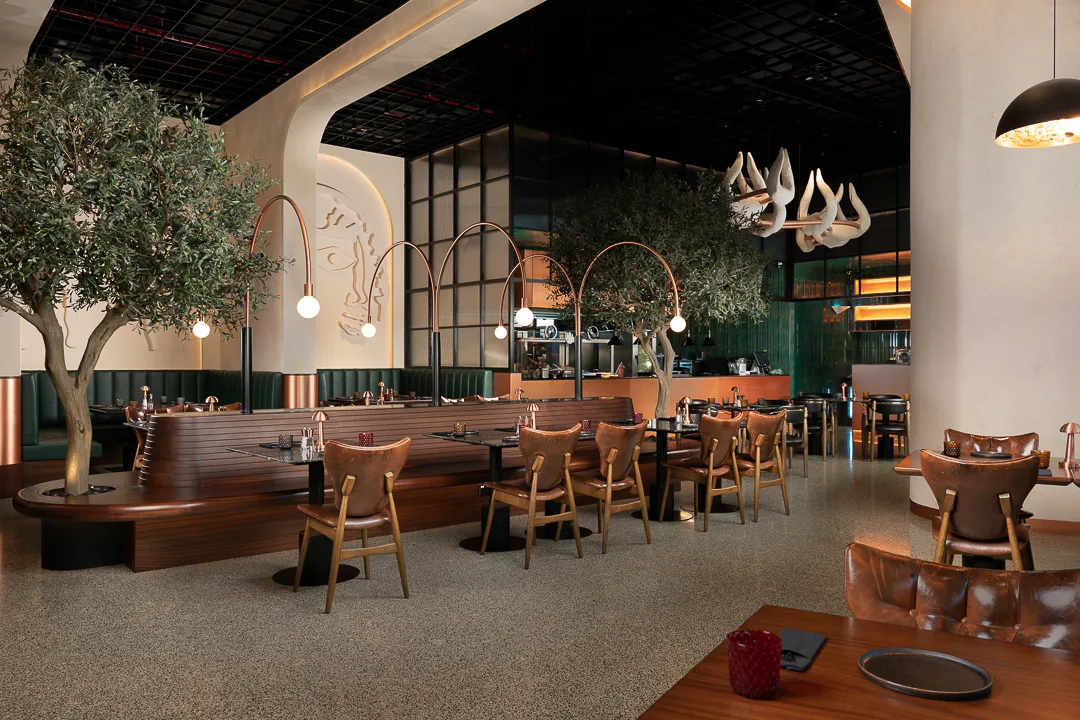
Beyond Rove, clients in Dubai include Park Hyatt, and the branded residence work includes Noir Matière at Lana Residences, Dorchester Collection, awarded Best Photography Project of the Year at the Créateurs Design Awards. Across the region the same practice covers Mövenpick Hotel Makkah in the Abraj Al Bait and Dar Tantora in AlUla.
Capture is medium format for full material and tonal fidelity, which hospitality interiors genuinely require: brass, stone, textile, and glazing frequently sit in the same frame with a bright exterior beyond. Retouching is fine art realistic throughout.
Full commercial usage rights are included for the commissioning client, covering booking platforms, brand campaigns, editorial, and print. Where an operator, an owner, and a design studio all need the images, that is handled at licensing rather than reshot.