Doha has spent two decades commissioning named architecture rather than generic towers, and it shows. The Museum of Islamic Art by I. M. Pei, the National Museum of Qatar by Jean Nouvel, the Education City campus, the Msheireb Downtown regeneration and the 2022 World Cup stadiums are individually authored buildings, each with an argument to read. That is a photographer's city, not a skyline city.
Architectural photographer working in Doha and Qatar, for architects, developers, hospitality brands and cultural institutions. Doha work includes the UAE Pavilion at Expo 2023 Doha, designed by BIG, Bjarke Ingels Group, shot at ground level and from the air and picked up by Designboom and international architecture press.
The UAE Pavilion at Expo 2023 Doha was BIG's first project in the region and their first built work in rammed earth, a material choice that answered the Expo's sustainability theme directly rather than decoratively. Photographing it meant treating the earth wall as the subject: its texture, its layered courses, and the way daylight crosses a surface that changes completely between morning and late afternoon.
Qatar commissions are covered from the Dubai base as regional work, with travel, site access and permits built into the scope and arranged before the shoot.
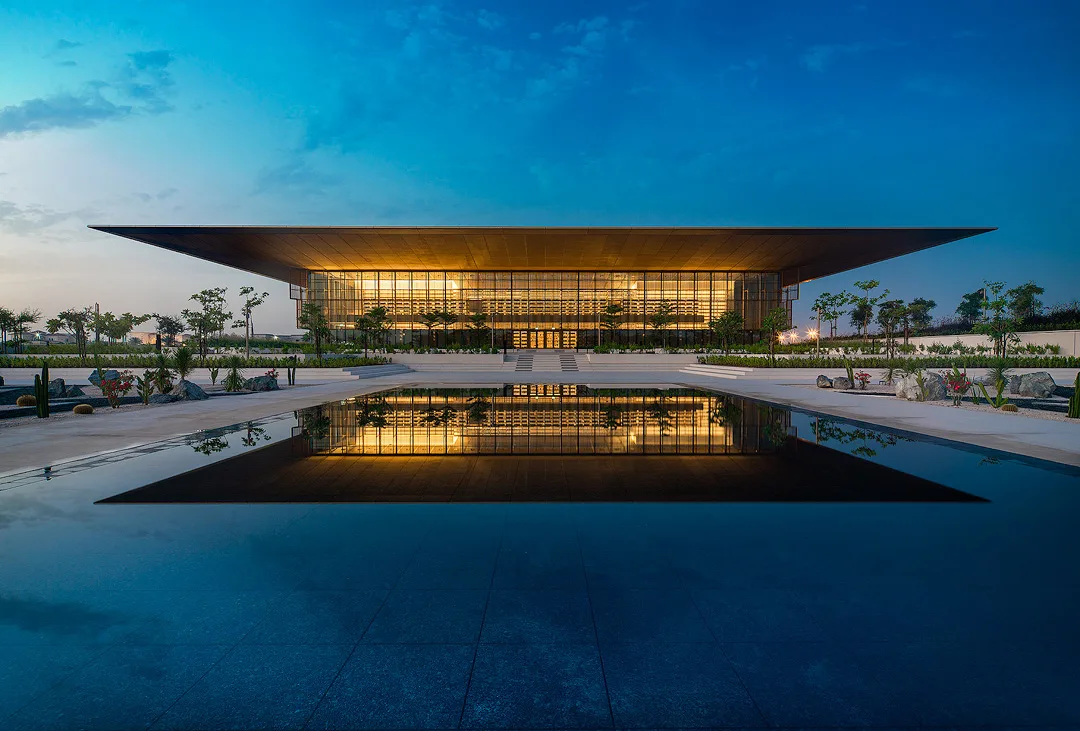
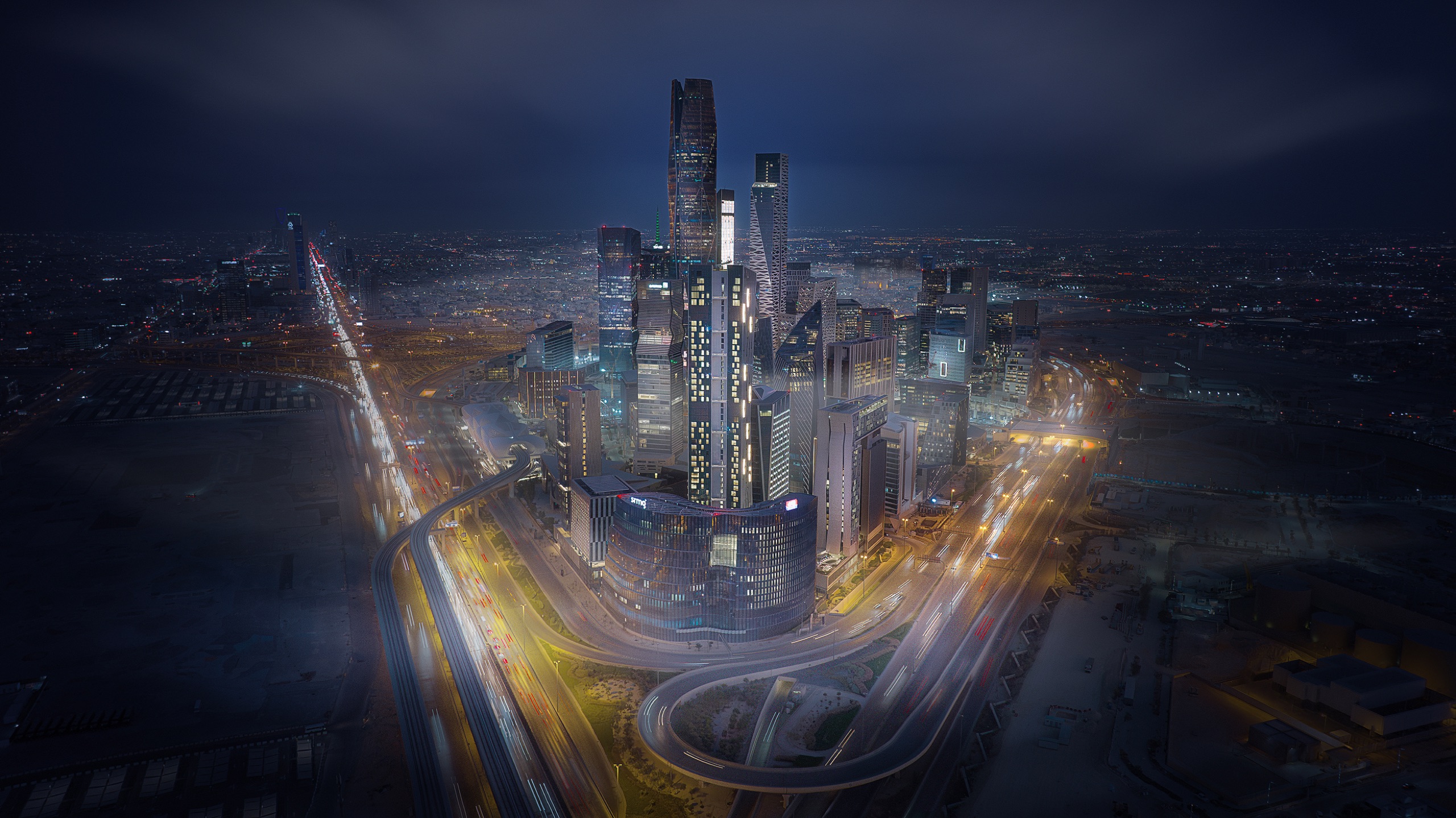
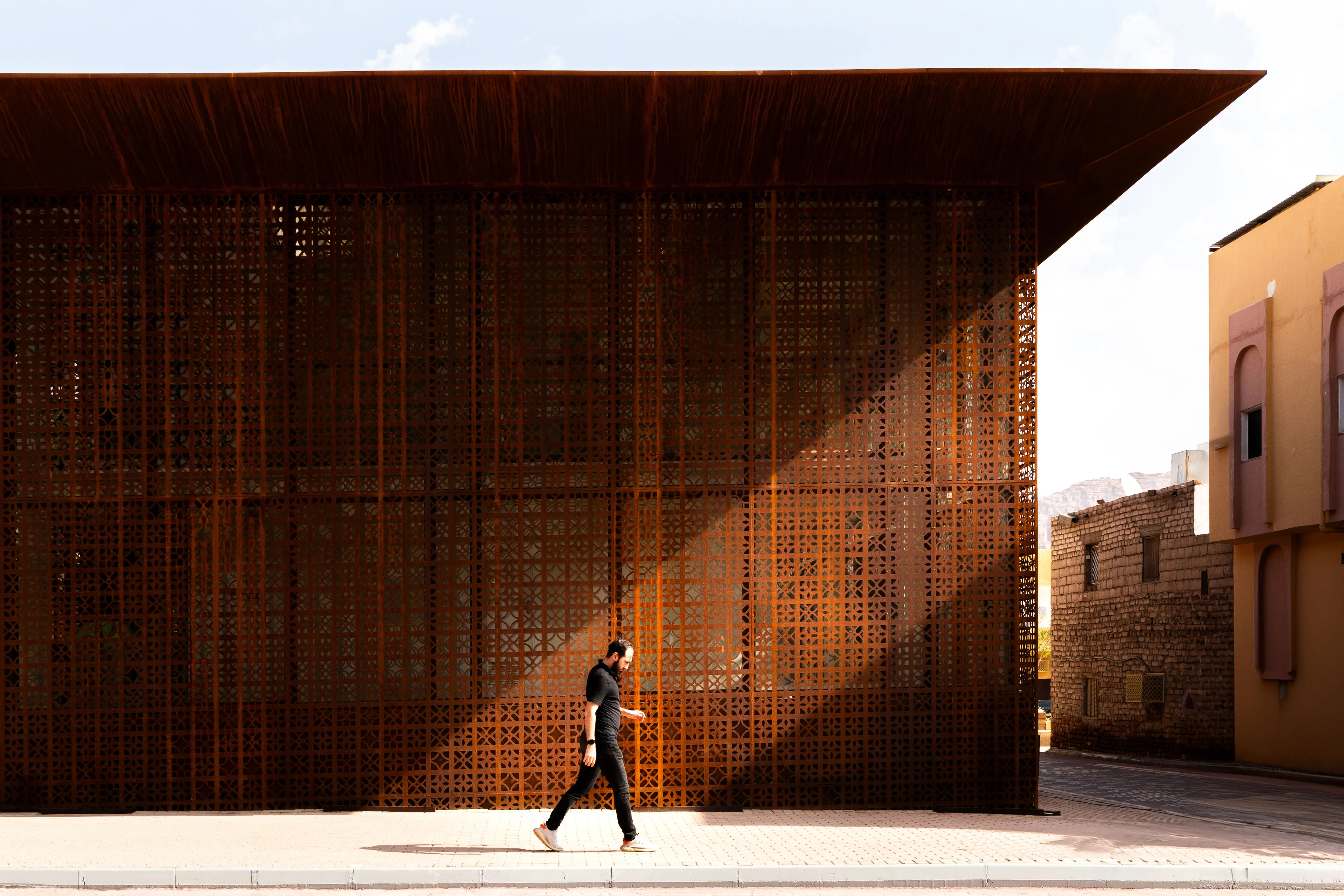
The wider body of work spans the Gulf: House of Wisdom by Foster + Partners, the year-long documentation of King Abdullah Financial District in Riyadh across 90+ buildings, which took 1st Place in Cityscapes at the International Photography Awards 2025, and Noir Matière in Dubai.
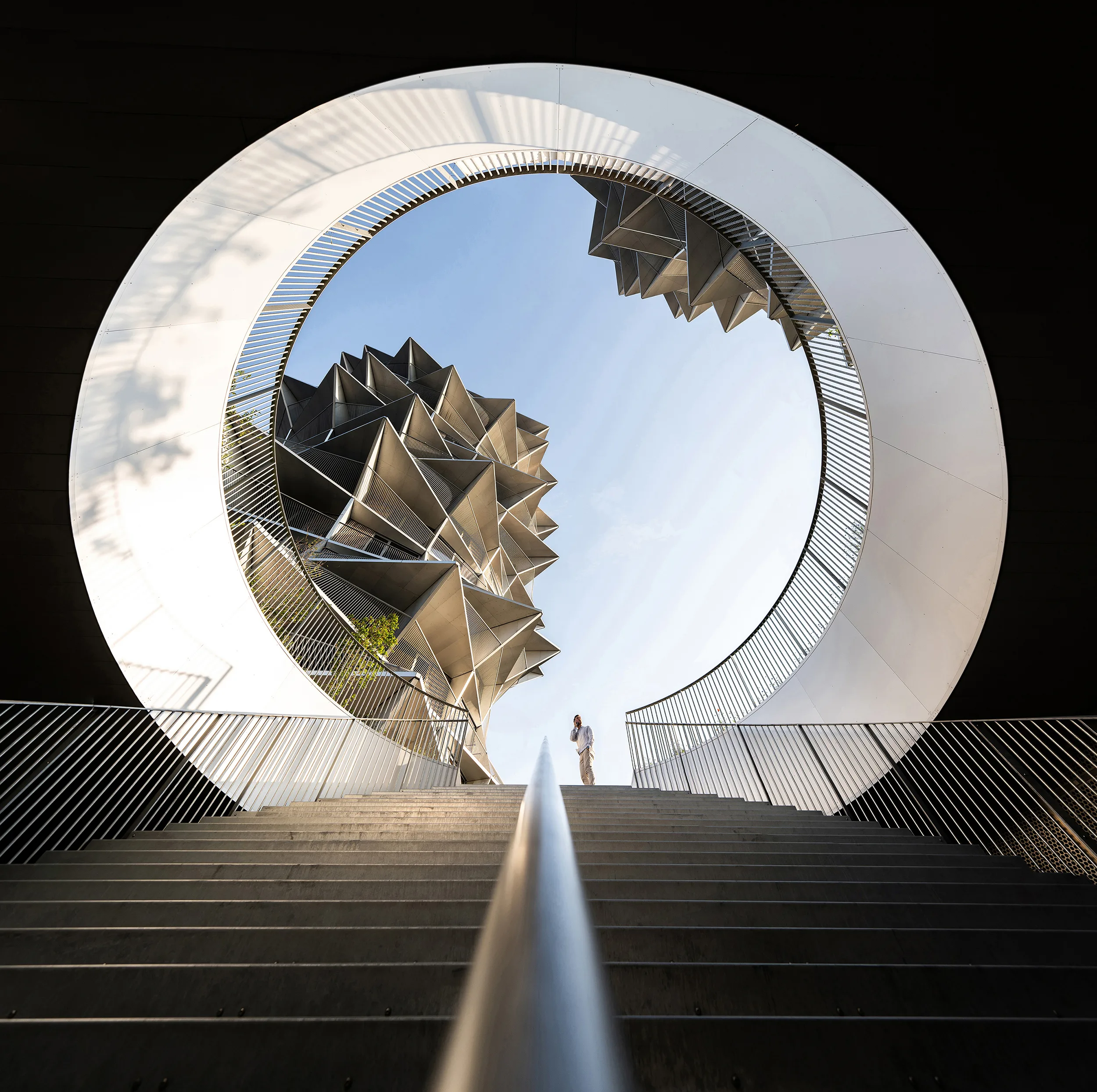
The relationship with BIG that began at the Doha pavilion later continued in Copenhagen with Kaktus Towers, recognised at the Architecture MasterPrize.
The UAE Pavilion at Expo 2023 Doha
The pavilion was designed by BIG, Bjarke Ingels Group, and it carried three firsts for the practice at once: their first project in the region, their first in Doha, and their first built work using rammed earth. For an Expo themed on sustainability, that material was the argument rather than the finish, which is exactly the thing a photograph either carries or loses.
It was shot at ground level and from the air. The rammed earth dome rewards close work, because the layered courses read as geometry from a distance and as material up close, and the two are not the same photograph. The images were picked up by Designboom and other international architecture press.
It is also where the working relationship with BIG began, which later continued in Copenhagen on Kaktus Towers.
Doha Is a City of Named Buildings
Very few cities of this size have commissioned so consistently from authored architects. I. M. Pei's Museum of Islamic Art sits on its own island in the bay, Jean Nouvel's National Museum of Qatar takes the desert rose as a structural idea rather than a motif, Education City gathers work by several international practices on one campus, and Msheireb Downtown Doha is a serious attempt at a contemporary Qatari urban language rather than an imported one.
Each of those needs to be read on its own terms. A building whose whole idea is an interlocking disc geometry is not photographed the way a rammed earth pavilion is, and the schedule follows the building rather than a house style.
The 2022 World Cup left a further layer of stadium and infrastructure architecture, and a hospitality sector built out to match it, which is the other steady source of commissions in the city.
Permits, Aerial Work and Access in Qatar
Aerial work in Qatar needs genuine lead time, and this is learned rather than assumed. On the Expo pavilion the aerial permit came through very late in the schedule, late enough that the window it opened was effectively gone. Nothing about that was a briefing problem, it was a permitting timeline, and the lesson is that Qatari aerial clearance is requested at the start of a project rather than the week of the shoot.
Doha's airspace is tightly managed around the airport, government sites and the Corniche, so a clearance is confirmed for a specific site and window rather than in general. Where a site cannot be flown, an elevated position from a neighbouring building is identified during pre-production so the scale of a project can still be shown.
Access to Education City, museum properties and government-linked sites runs through the relevant authority and is arranged in advance, which is planning rather than an obstacle.
How a Doha Commission Is Planned
A site visit before the shoot where access allows, orientation and light mapped through the day, and a schedule built around the hours when the building actually resolves. Qatar's light behaves like the wider Gulf: strong and high through the middle of the day, with the cooler months from November to March giving materially better clarity and lower sun for facades.
Capture is medium format, retouching is fine art realistic, and interior and aerial coverage are planned into the same commission rather than booked separately. Standard delivery is ten to fifteen business days from the shoot, with full commercial usage rights included for the commissioning client.