The work in Madinah is heritage before development: the mosques and landmarks on the route of the Umrah journey, documented for Nusuk, Saudi Arabia's official platform for Umrah and visits to the two holy cities. These are places people cross the world to stand in, which sets a different standard from a marketing brief.
Architectural photographer working in Madinah (Medina), based in Dubai and Riyadh. Work in the city includes the Nusuk heritage documentation made for Saudi Arabia's Ministry of Tourism, covering Quba Mosque, Mount Uhud and the Miqat mosque at Dhul Hulayfah, and Noor Mall for Cenomi.
The Nusuk project covered Makkah and Madinah together: historical landmarks, architecture, aerial and ground level views, and lifestyle frames with models.
The Madinah days in January 2024 took in Quba Mosque and Mount Uhud, the Miqat mosque at Dhul Hulayfah, the boulevard to Quba, and rooftop views over the city at sunrise, including a timelapse.
In Makkah the same project covered the Hira Cultural District, the cave of Hira on Jabal al Nour, Masjid Aisha and the Khandamah viewpoint, and it led directly to the documentation of the Kaaba with the Mataf empty.
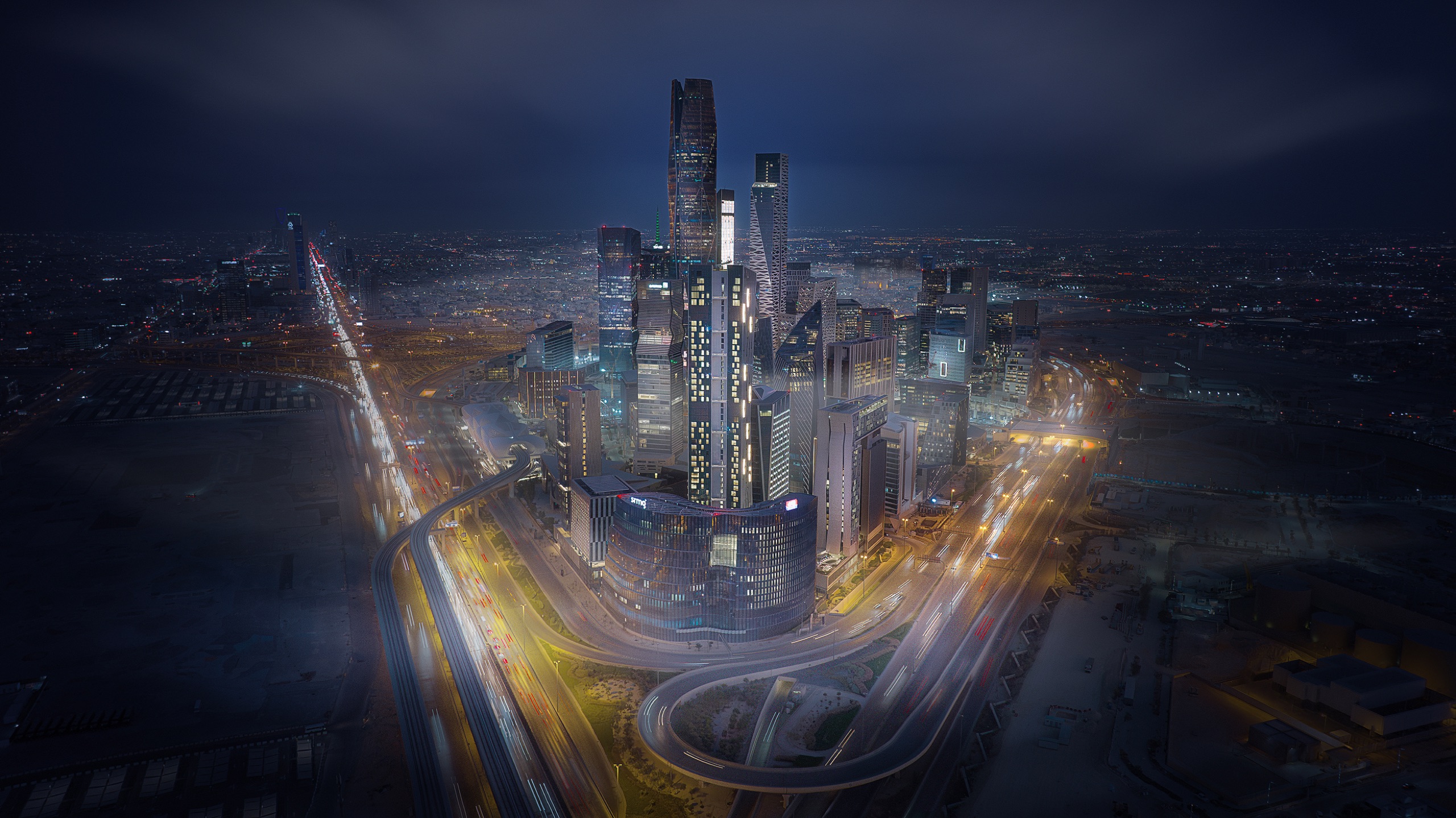
Noor Mall was Madinah's stop in Cenomi's mall programme, which also ran through Jeddah, Riyadh and the Eastern Province, alongside the year long KAFD documentation in Riyadh, awarded 1st Place in Cityscapes at the International Photography Awards 2025.
The Nusuk Heritage Work
Nusuk is Saudi Arabia's official platform for planning Umrah and visits to Makkah and Madinah, and this work was made for it, for the Ministry of Tourism. The brief treated Madinah as a sequence of places a visitor moves through rather than a list of buildings.
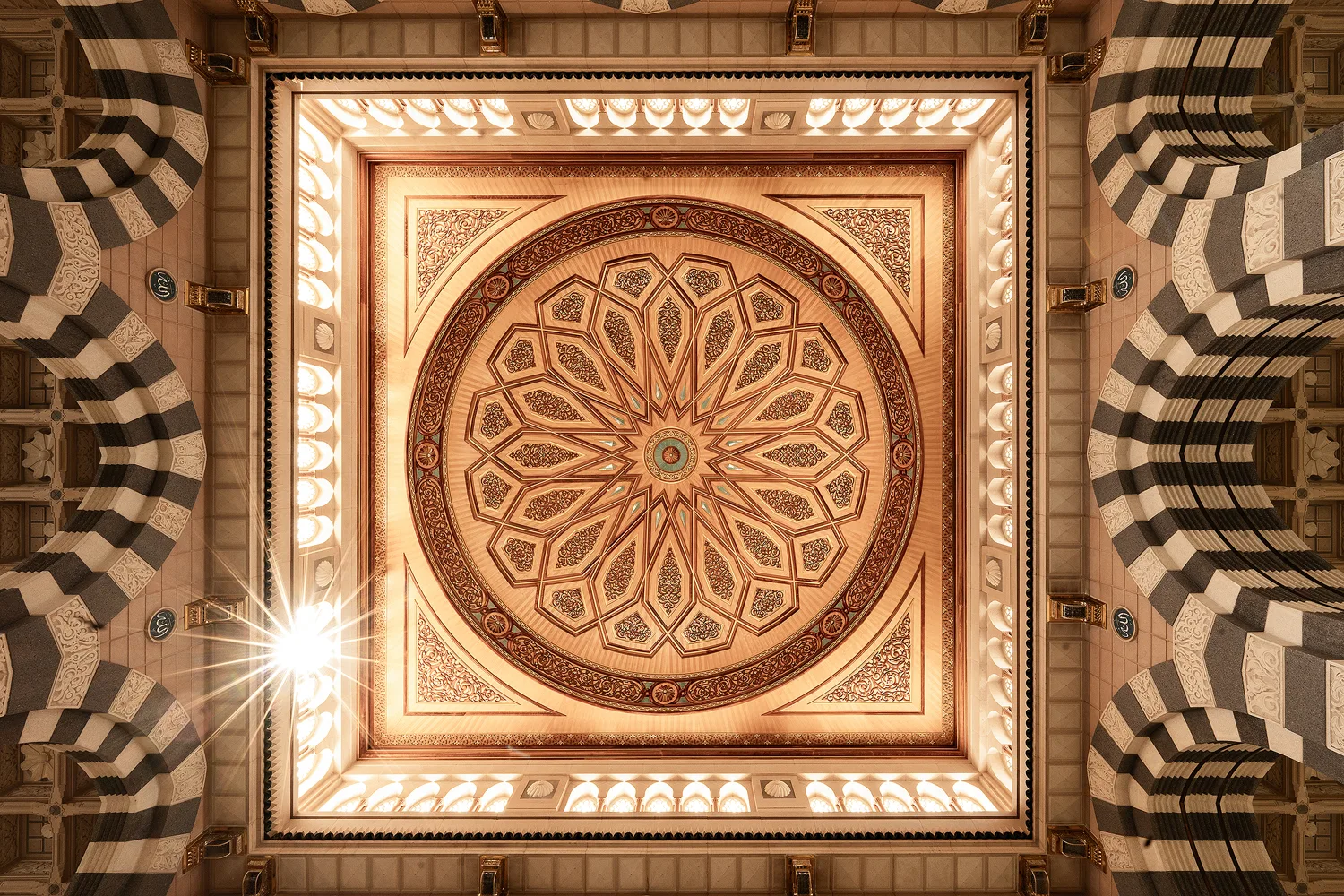
Quba Mosque, the first mosque built in Islam. Mount Uhud and the site of the battle at its foot. The Miqat mosque at Dhul Hulayfah, where pilgrims setting out from Madinah for Makkah enter ihram, and the boulevard that leads to Quba. Each is a different kind of subject: a mosque of white volumes and domes, a mountain and its history, and a working building full of people preparing for a journey.
The Madinah days ended on a rooftop above the city at sunrise, with a timelapse made as the light came up. The brief covered aerial and ground level photography, landmarks and architecture, and lifestyle frames with models, so the same places appear both as buildings and as they are actually used.
From Madinah to the Kaaba
The Nusuk project ran across both holy cities. In Makkah it covered the Hira Cultural District, the cave of Hira on Jabal al Nour, Masjid Aisha at Al Taneem, the Khandamah viewpoint, and the helipad level of the clock tower above the Haram.
It also opened the door to the most significant work in the portfolio. The documentation of the Kaaba with the Mataf completely empty was a separate project, and it came about because of the Nusuk photographs.
Retail in Madinah: Noor Mall
Noor Mall was photographed for Cenomi over two days in October 2023, including a sunrise session. It was one stop in a programme that also covered Makkah Mall and, in Jeddah, Mall of Arabia, Jeddah Park and Yasmin Mall from the ground and the air.
Worship, Access and the Calendar
Photography at mosques and religious sites needs permission, and conduct around worship matters as much as the permit. Positions and timing are chosen so the camera does not intrude on prayer, which is the right approach and the one that keeps access open.
Ramadan and the Hajj season change the density of the central area completely, so a Madinah project is planned around the calendar from the first conversation. Airspace near the Prophet's Mosque is restricted: aerial work is flown only where it is specifically cleared, and elevated rooftop positions are arranged where it is not.
Projects in Madinah are covered from the Dubai and Riyadh bases as regular work, with travel included in the scope rather than billed as an extra.