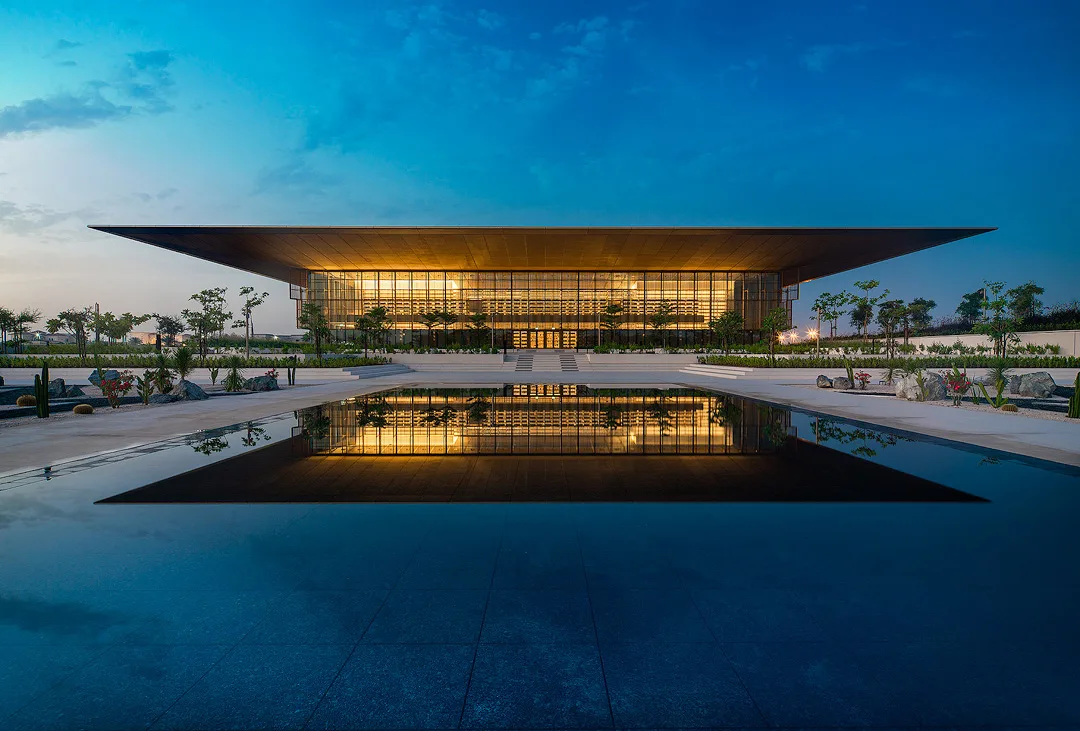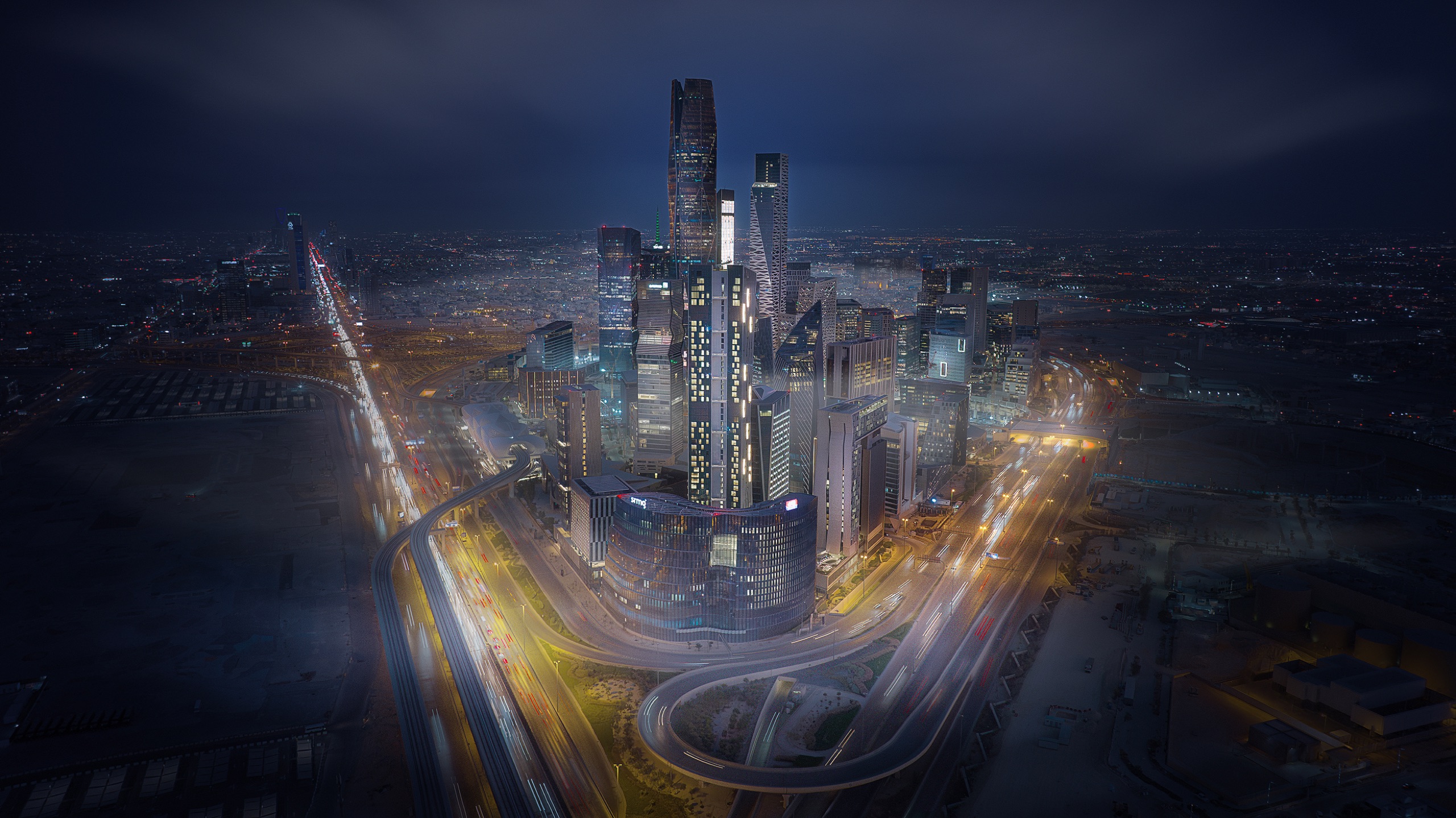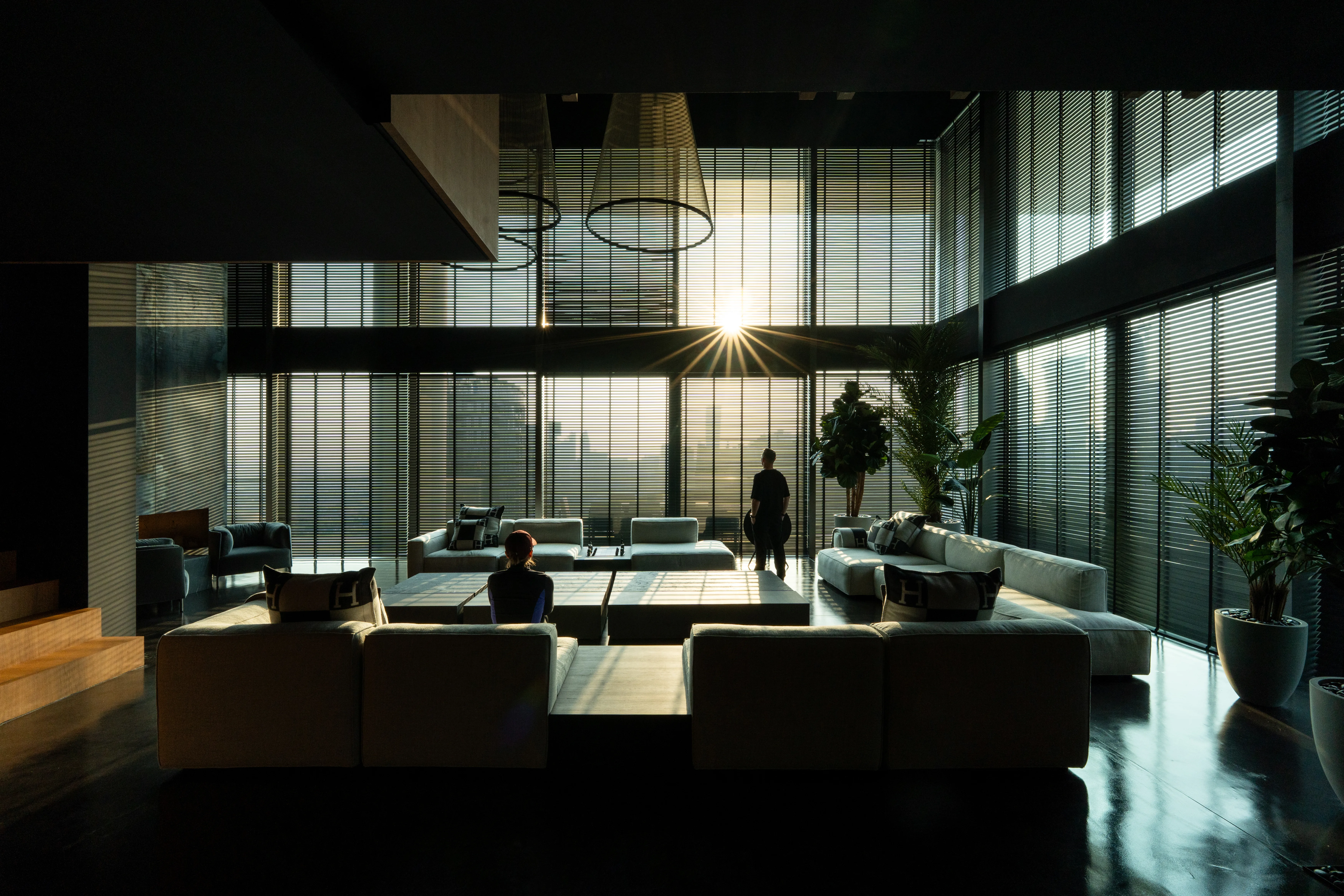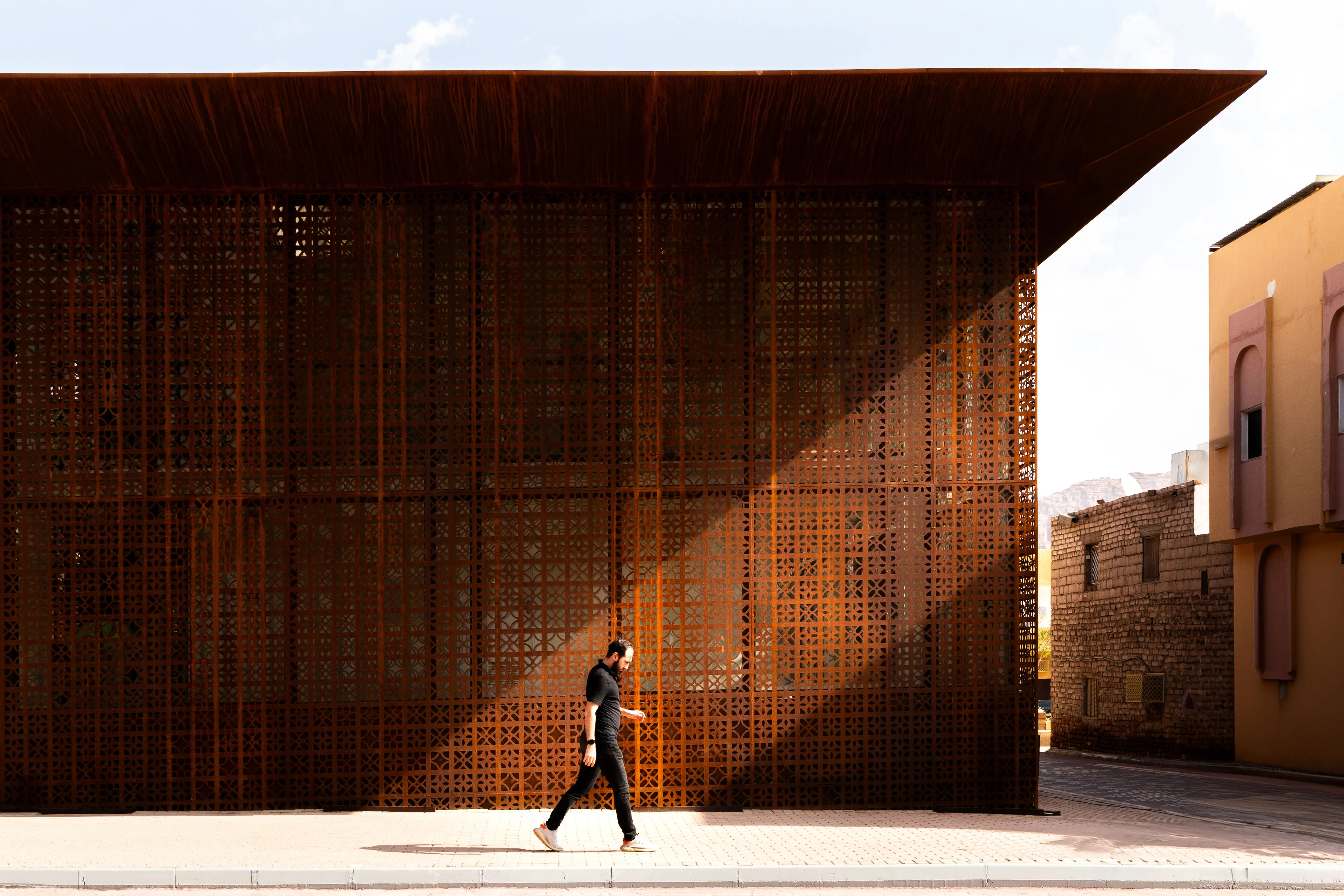
Baghdad carries one of the most significant architectural legacies in the Arab world, from its twentieth-century modernist movement to the reconstruction and new development now reshaping the city along the Tigris. Photographing it well means reading that architectural intent, the heritage and the new build alike, rather than simply recording a facade.
Architectural photographer covering Baghdad and Iraq, for developers, architecture and design firms, hospitality brands, and institutions. Commissions across the Gulf are documented to the standard of international publication and awards, by an architect-trained photographer with 60+ international awards and work published in Dezeen, Architectural Digest, and Wallpaper.
Iraq's built environment spans a rich modernist heritage and a fast-moving reconstruction market: new commercial, residential, and hospitality developments, government and institutional projects, and the restoration of significant twentieth-century architecture. Commissions range from single-building documentation for design firms to multi-phase developer and institutional campaigns, each approached with the same architectural reading applied across the rest of the portfolio.
Production in Baghdad, including access coordination, permits, and drone clearances, is planned and handled as part of every commission, arranged in advance rather than assumed on the day.
Baghdad commissions sit alongside a decade of work across the UAE and Saudi Arabia, including the year-long documentation of KAFD in Riyadh across 90+ buildings, awarded 1st Place in Cityscapes at the International Photography Awards 2025, and commissions in Dubai, Abu Dhabi, Doha, and AlUla.
Every project is delivered for marketing, publication, and awards submission, with medium format capture and fine art realistic retouching.
Baghdad Has a Modernist Heritage Worth Photographing Properly
Baghdad is not a new architectural city discovering itself. It carries a serious twentieth-century modernist legacy, the work of Iraqi architects such as Rifat Chadirji and Mohamed Makiya alongside international figures who built or planned here, and that history sits in the same frame as the country's current wave of development. Documenting the city means treating both with the same architectural seriousness.
The regional light behaves much as it does across the Gulf: strong, directional, and best worked at the ends of the day, with the cooler months offering materially better clarity. Baghdad's continental position adds sharper seasonal swings than the coastal Gulf cities, which is factored into scheduling rather than left to chance.
For heritage and civic architecture in particular, the reward is in reading geometry, material, and proportion properly, which is exactly the kind of work an architect-trained photographer is built for and exactly what a quick shoot misses.
Access and Production in Iraq
Iraq is a developing market for architectural photography, and access is the part that is planned most carefully. Site permissions, permits, and any security or authority coordination are established during pre-production, in advance of travel, so nothing depends on being resolved on the day.
Drone operations require clearance from the relevant Iraqi authorities, and aerial work is arranged ahead of time rather than assumed. Where it is not available for a given site, elevated positions from neighbouring buildings are secured during pre-production so the scale and context of a project can still be shown.
How an Iraq Commission Is Handled
Baghdad and the wider country are covered from the Dubai base as regional commissions, with travel and logistics built into the scope and coordinated with the client and any local partner ahead of the shoot.
The method does not change: a walkthrough before the shoot where access allows, light mapped through the day, and a schedule built around the building rather than the calendar. Capture is medium format, and retouching is fine art realistic, with verticals corrected, exposure balanced, and materials colour accurate.
For projects where the surrounding context matters, and in Baghdad it usually does, the schedule allows for the frames that place a building within the city and its history rather than isolating it from both.